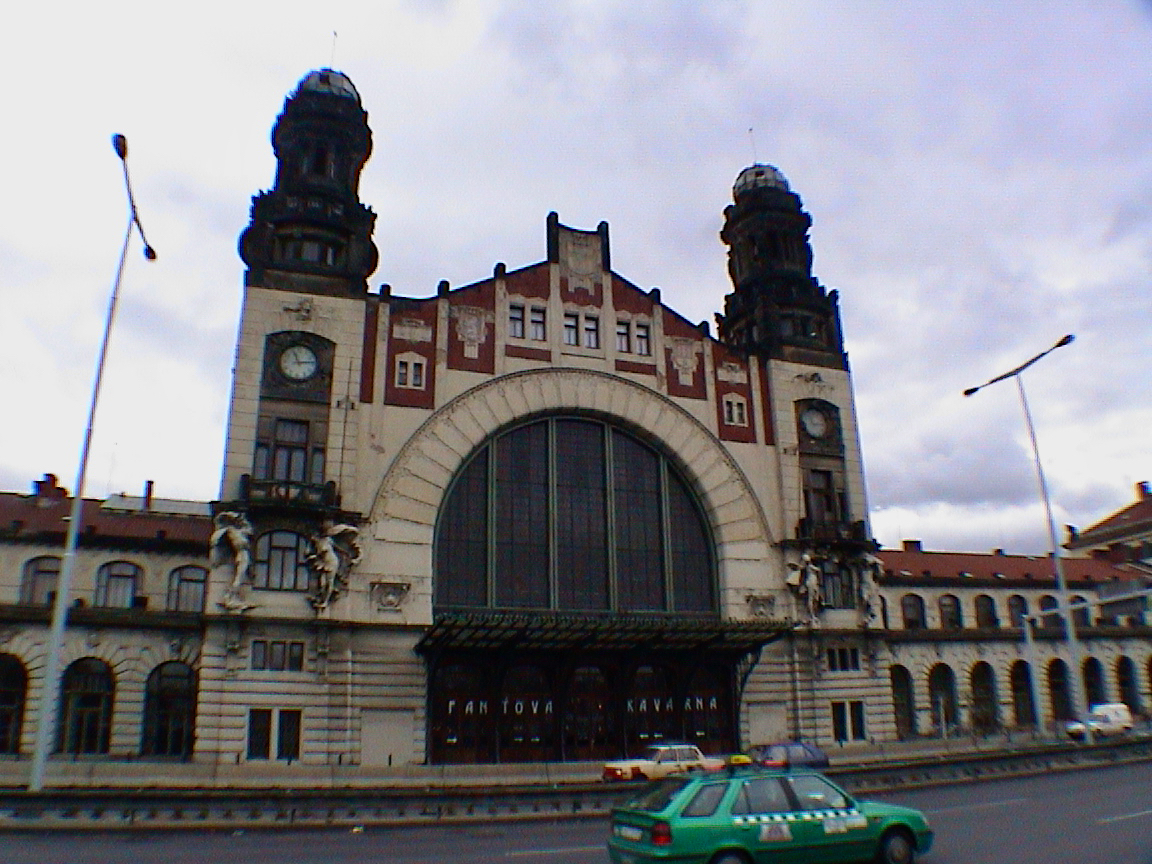
Friday’s picture-taking tour began at Hlavni Nadrazi – the main train station. We need to get our tickets and schedule for tomorrow’s trip to Ostrava. Obbie’s grandmother was born in Vitkovice, which is now a neighborhood of Ostrava with its own station. So it turns out we can go to Vitkovice directly.
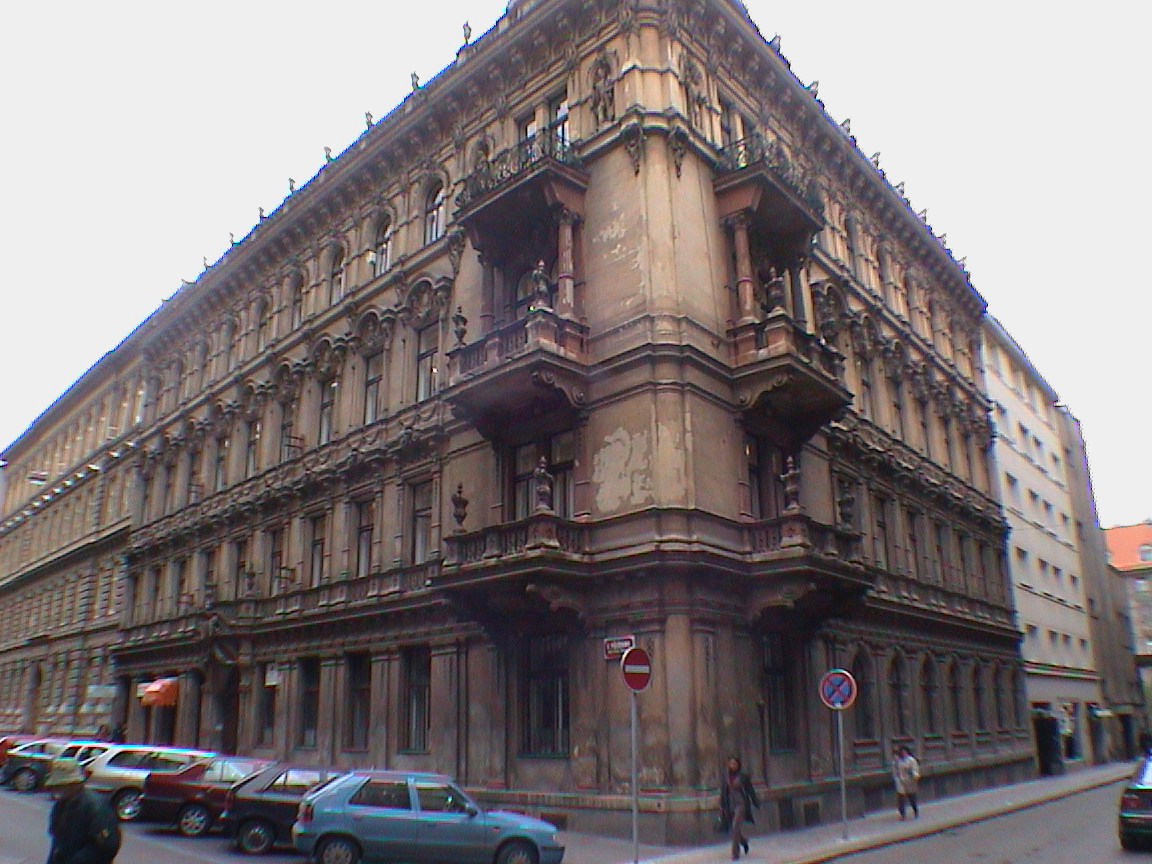
Photographing the classic exterior of the station put us in a position to see some of the rough edges of Prague left behind by the Communist era that hadn’t been repaired yet. Some peeling paint here, a few broken panes of glass there. The city is filled with ornate buildings, but it’ll take time for them all to be shined up.
-
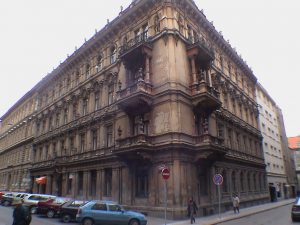
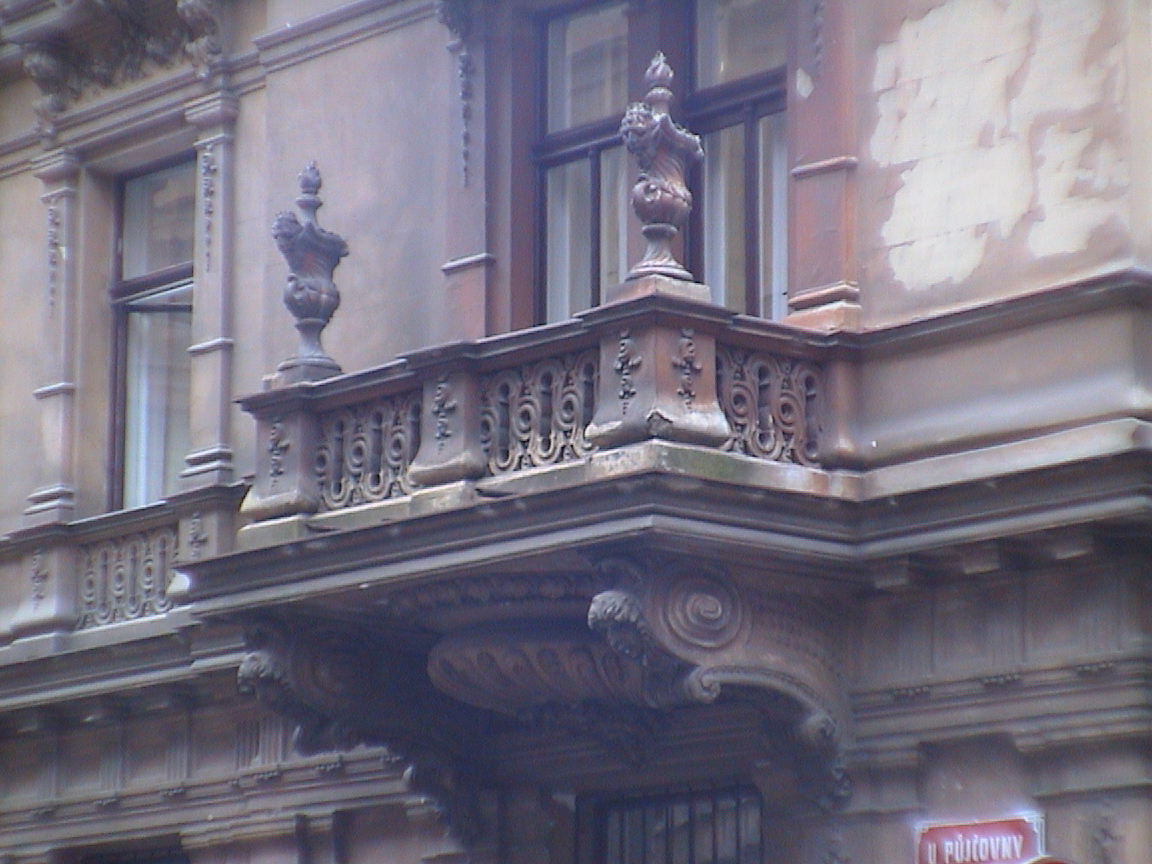
- In much of the Czech Republic, even the most humble buildings reveal ornate touches if you look for them..
-
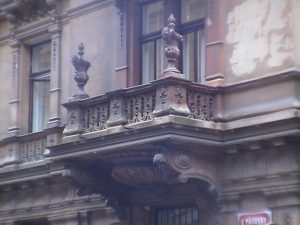
- Sometimes one must look a little more closely.
-
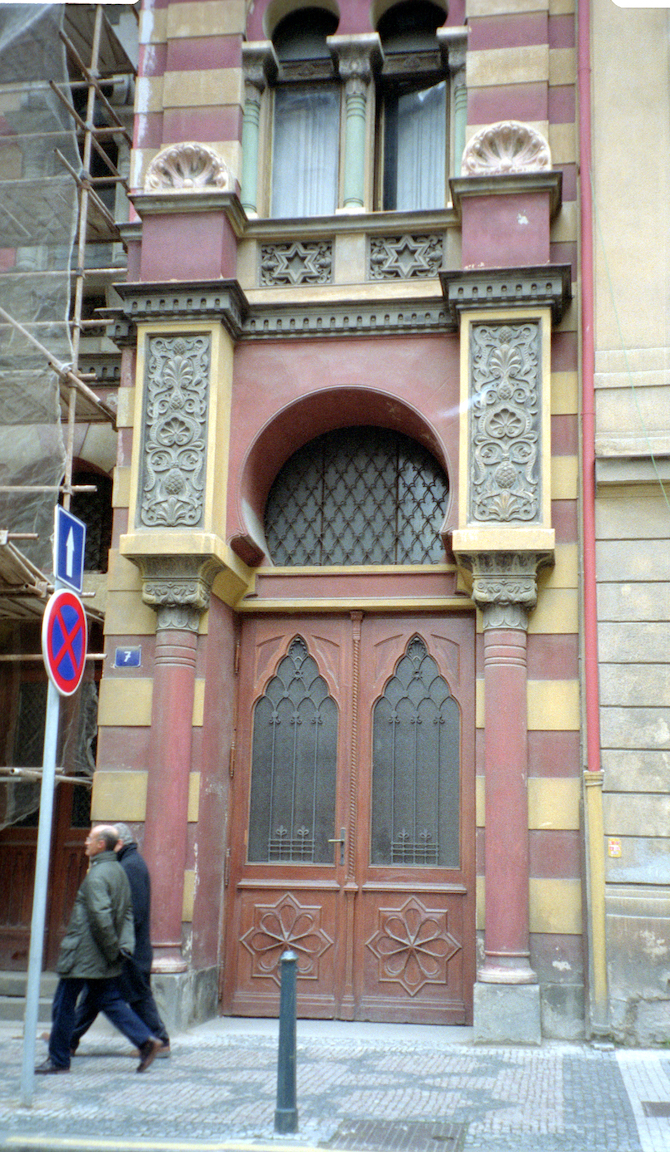
- It takes a lot of painting, sandblasting away years of coal soot, and painstaking repairs to bring these places to their original radiance.
-
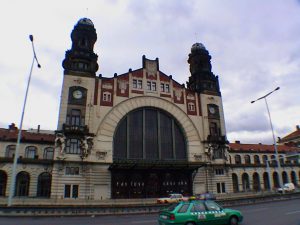
- The entrance to the train station is under a parking ramp, so few people notice the original facade across a highway from the top of the ramp.
-
- Some parts of the station are still coated in coal soot, while others have had it painstakingly scrubbed away.
-
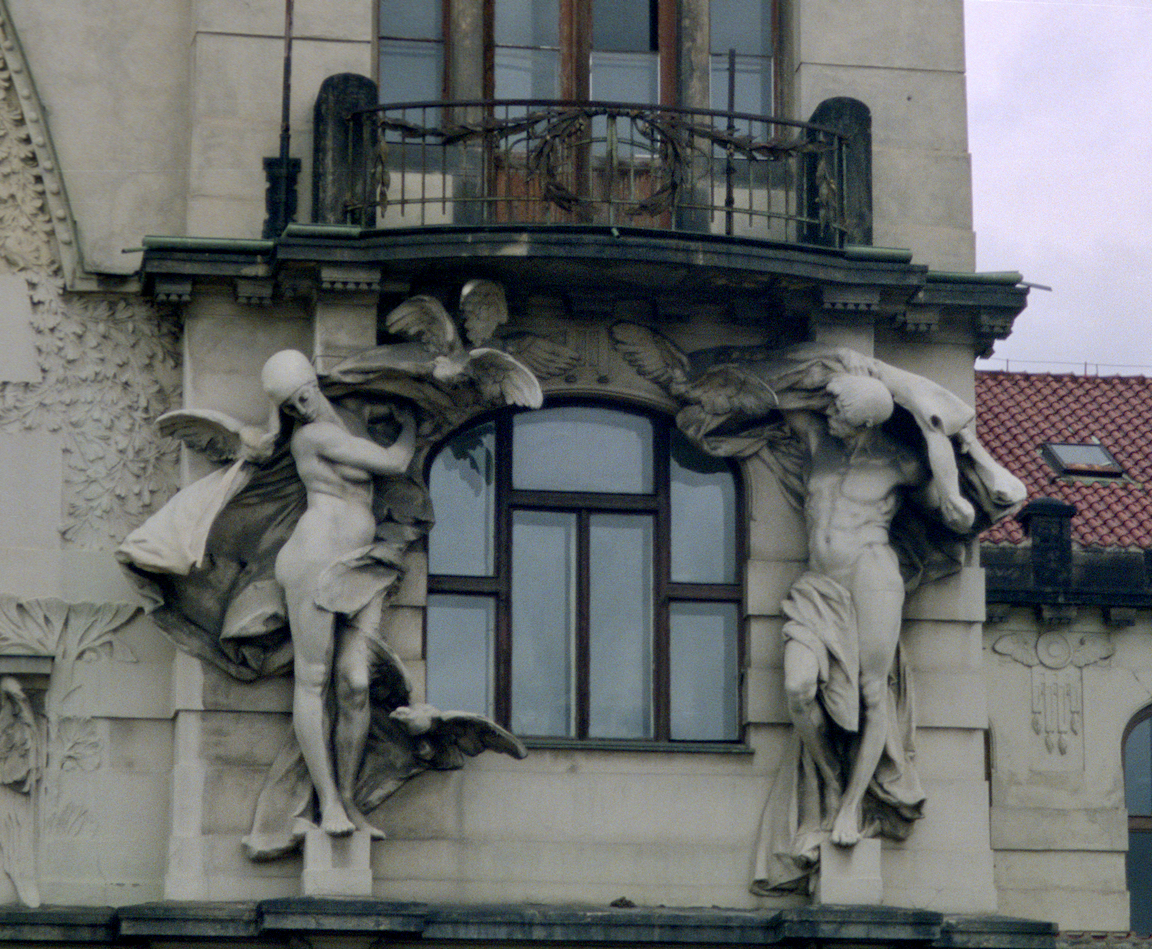
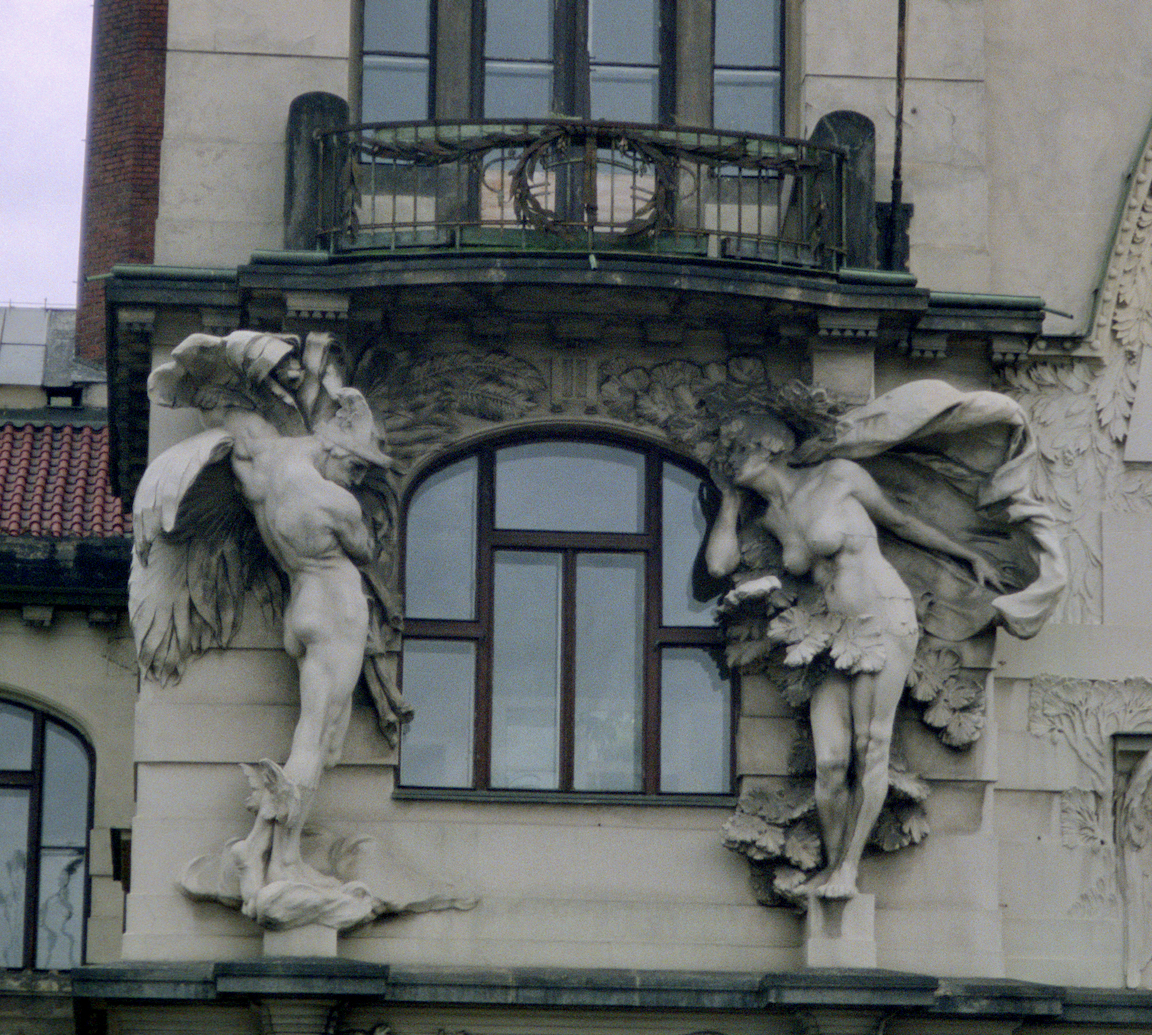
- On either side of the front facade, shapely figures support a balcony.
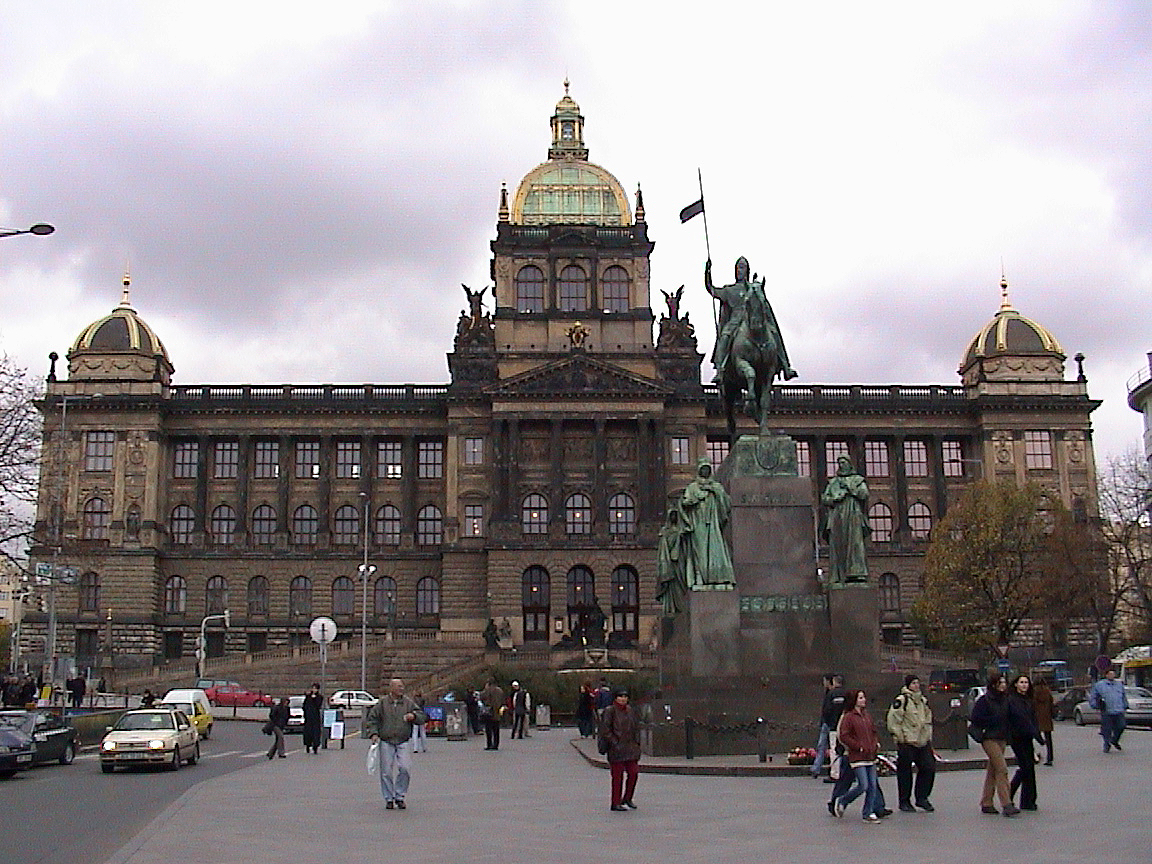
We moved on to Vaclavske Namesti (Wenceslaus Square), which is a wide boulevard over a half mile long. At one end, Vaclav sits up on a horse in front of the museum (fulfilling what seems to be a major requirement to qualify as a world-class city), and he looks out at an expanse lined with architectural specimens which defy description.
-
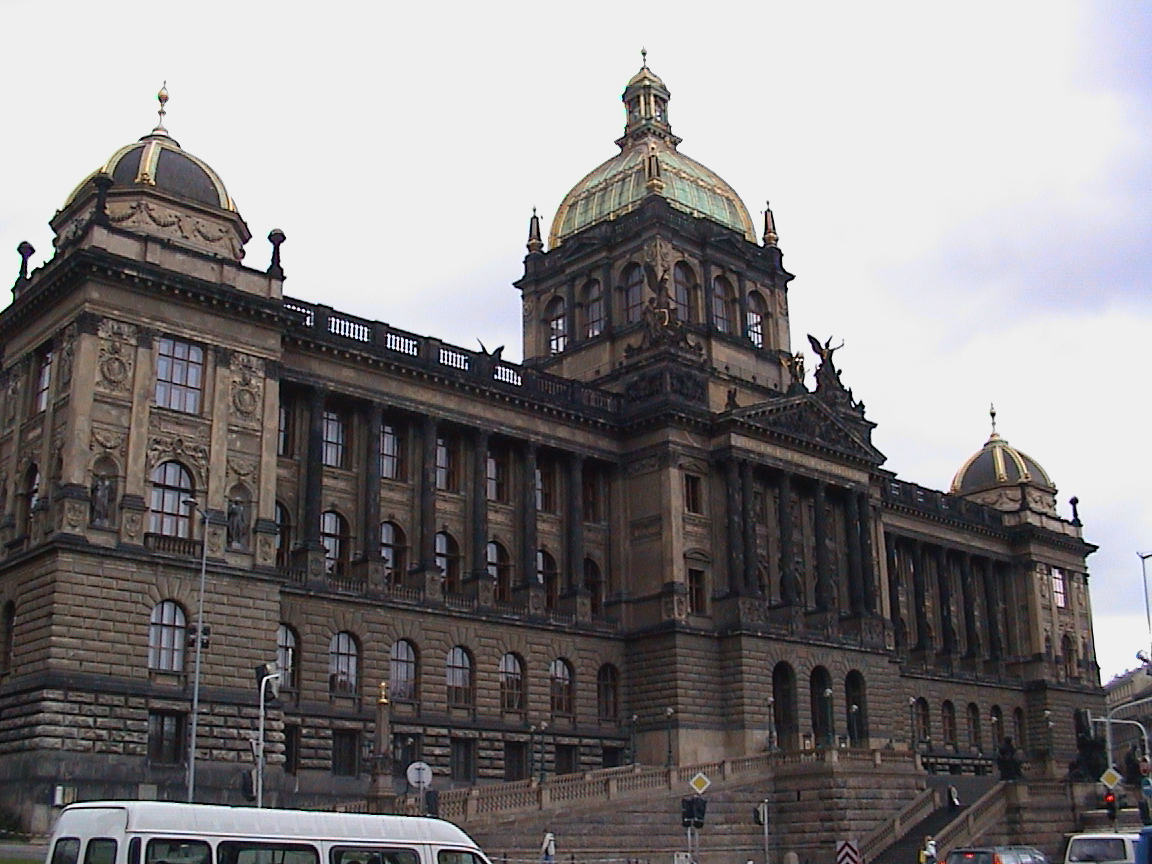
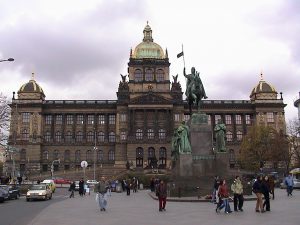
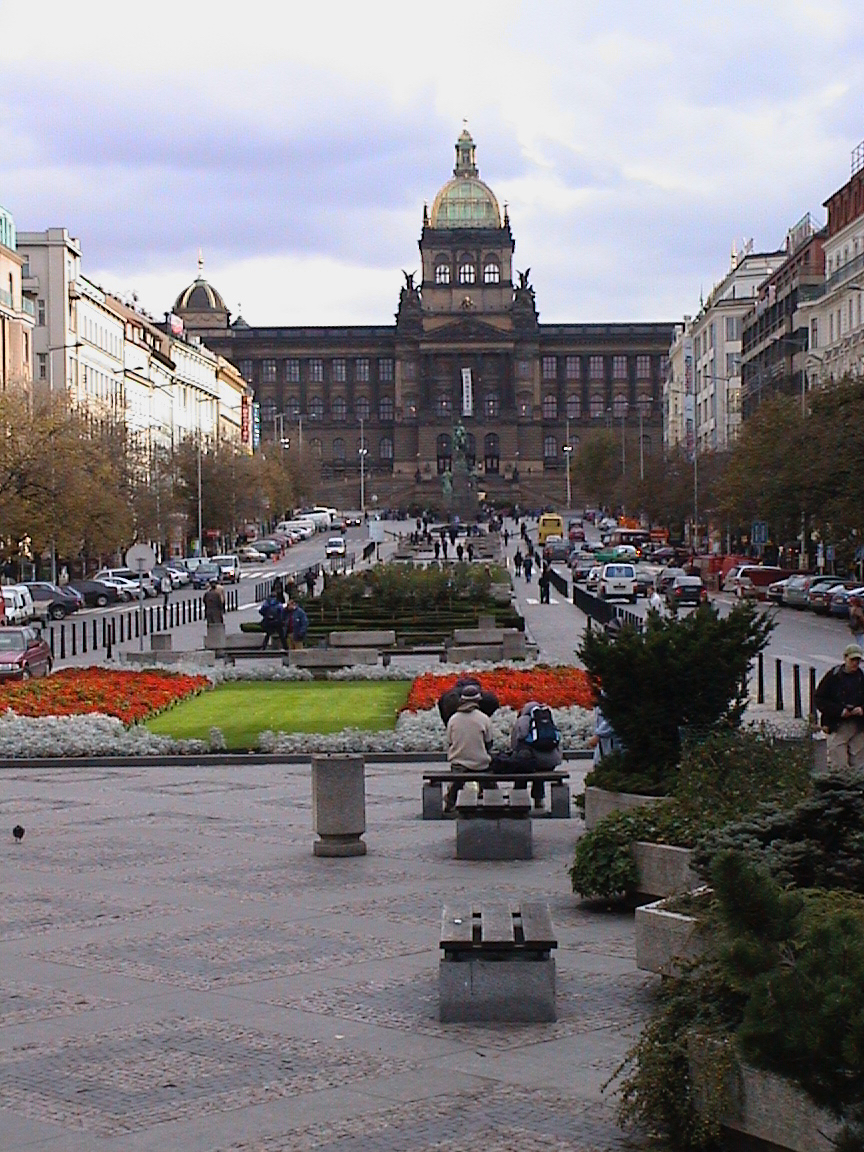
- The Czech National Museum stands prominently at the foot of Wenceslas Square.
-
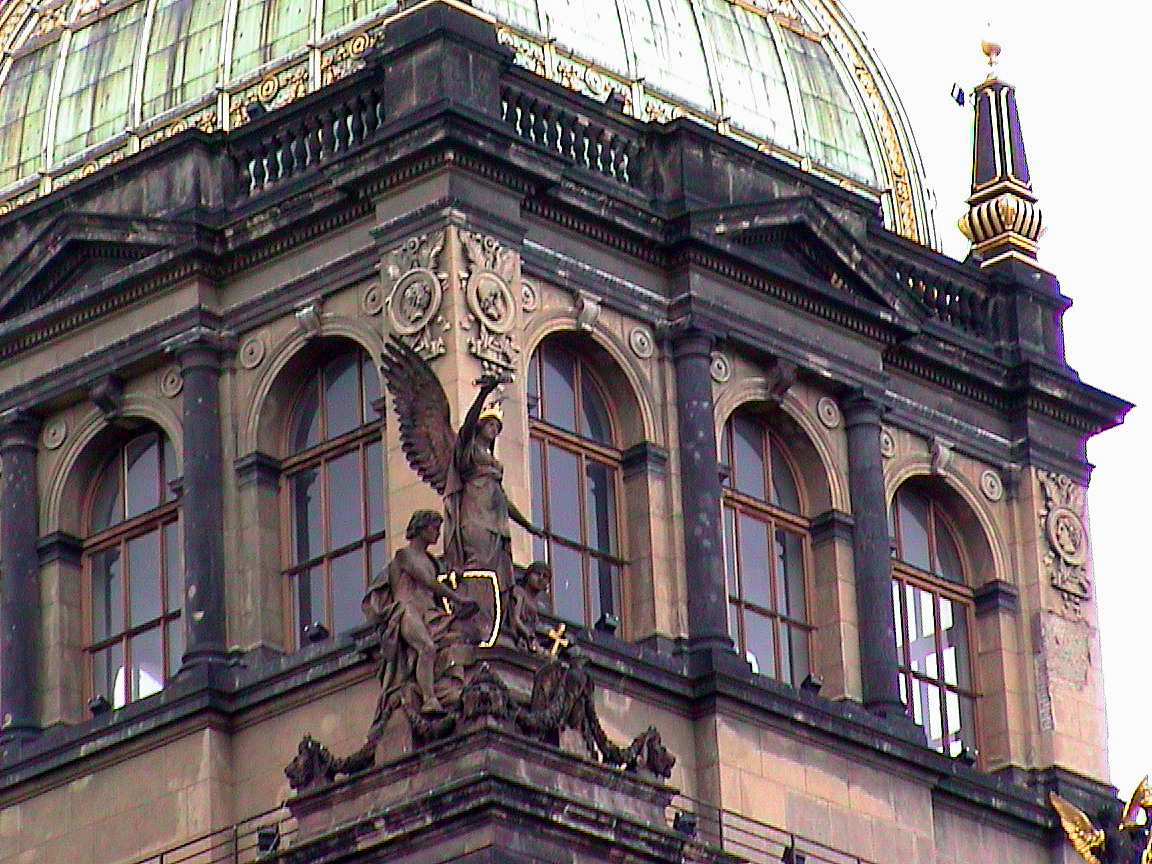
- A closer look at the dome of the museum…
-
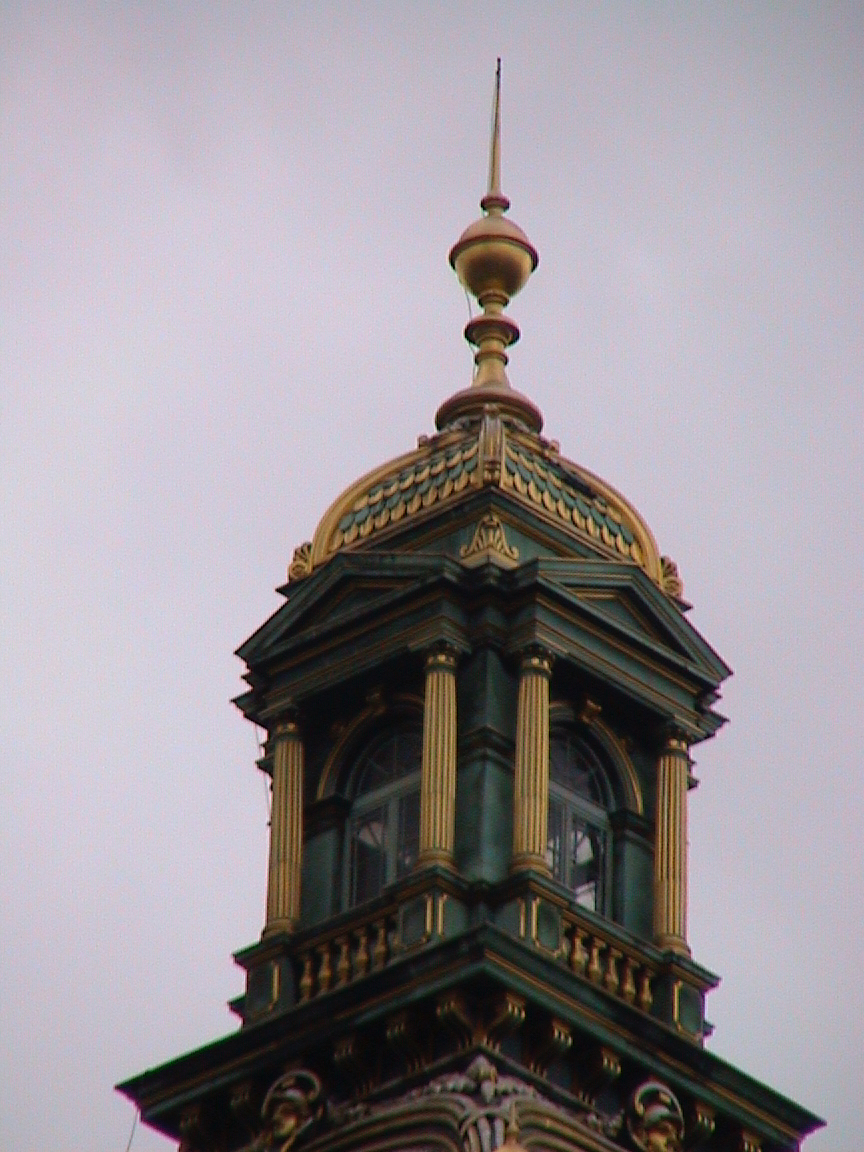
- … and of the tower on top of the dome.
-
- King Wenceslas rides his horse from the front of the National Museum.
-
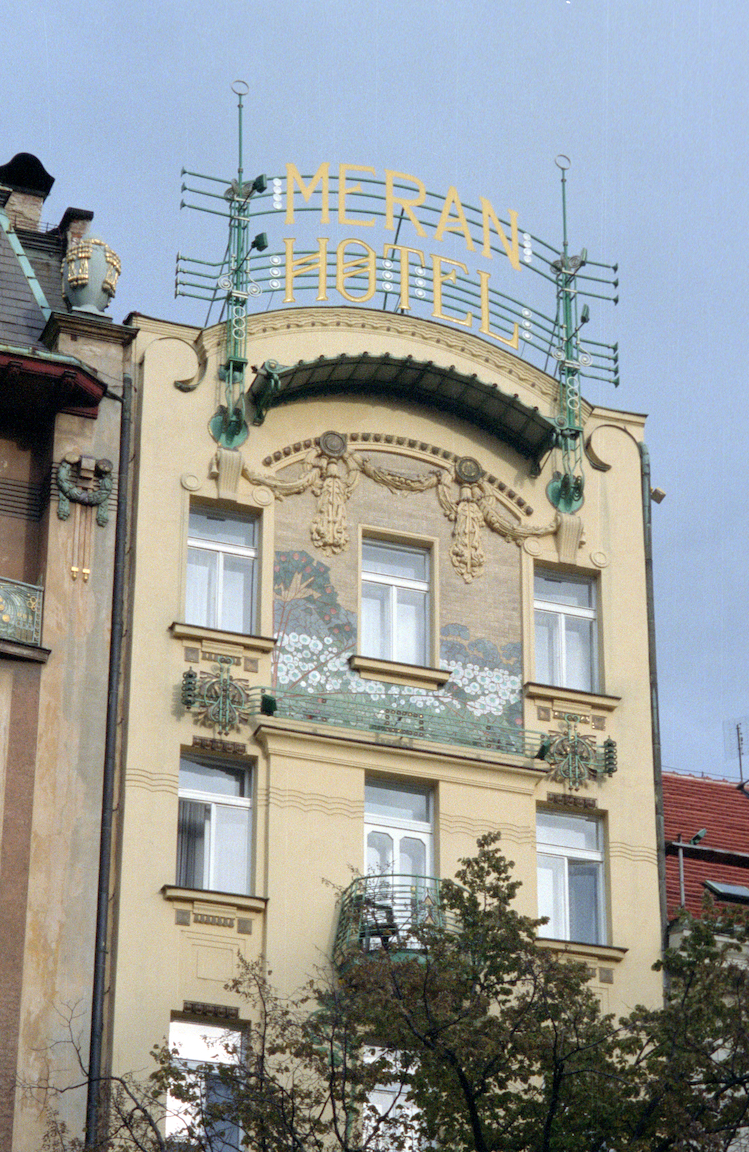
- The Meran Hotel displays a mix of sculptures and mosaics.
-
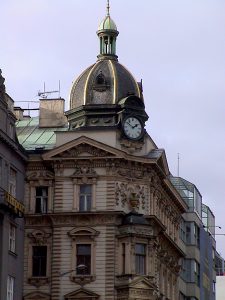
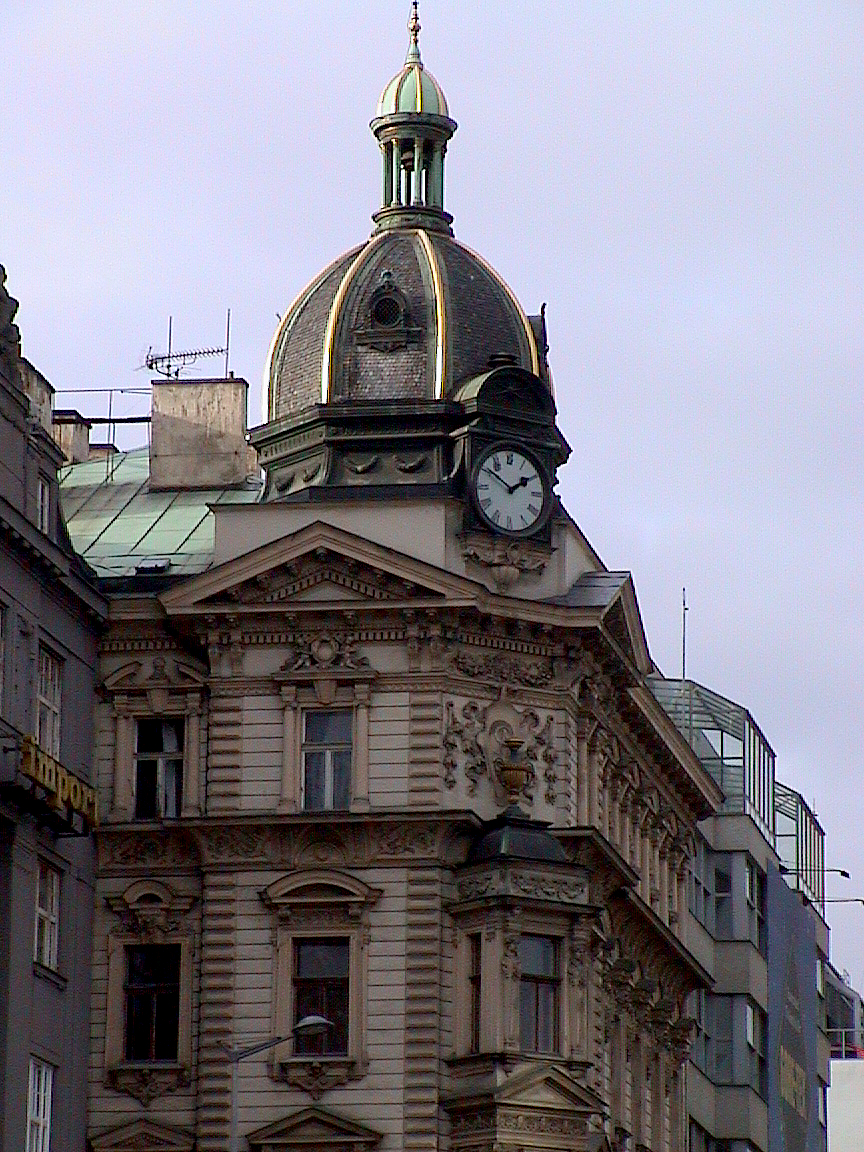
- This clock and dome mark a major intersection on Wenceslas Square.
-
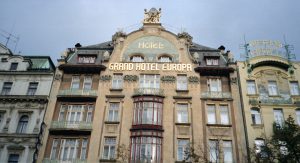
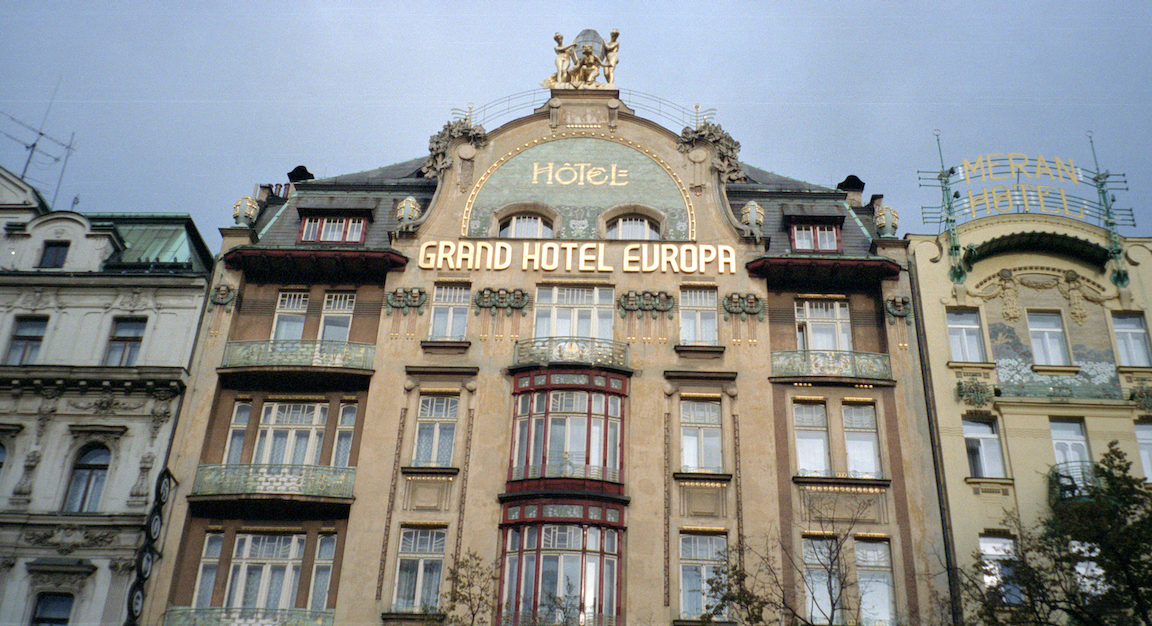
- The Grand Hotel Europa is next door to the Meran Hotel, and uses a similar style of decoration.
-
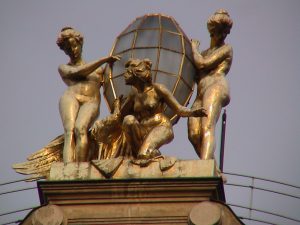
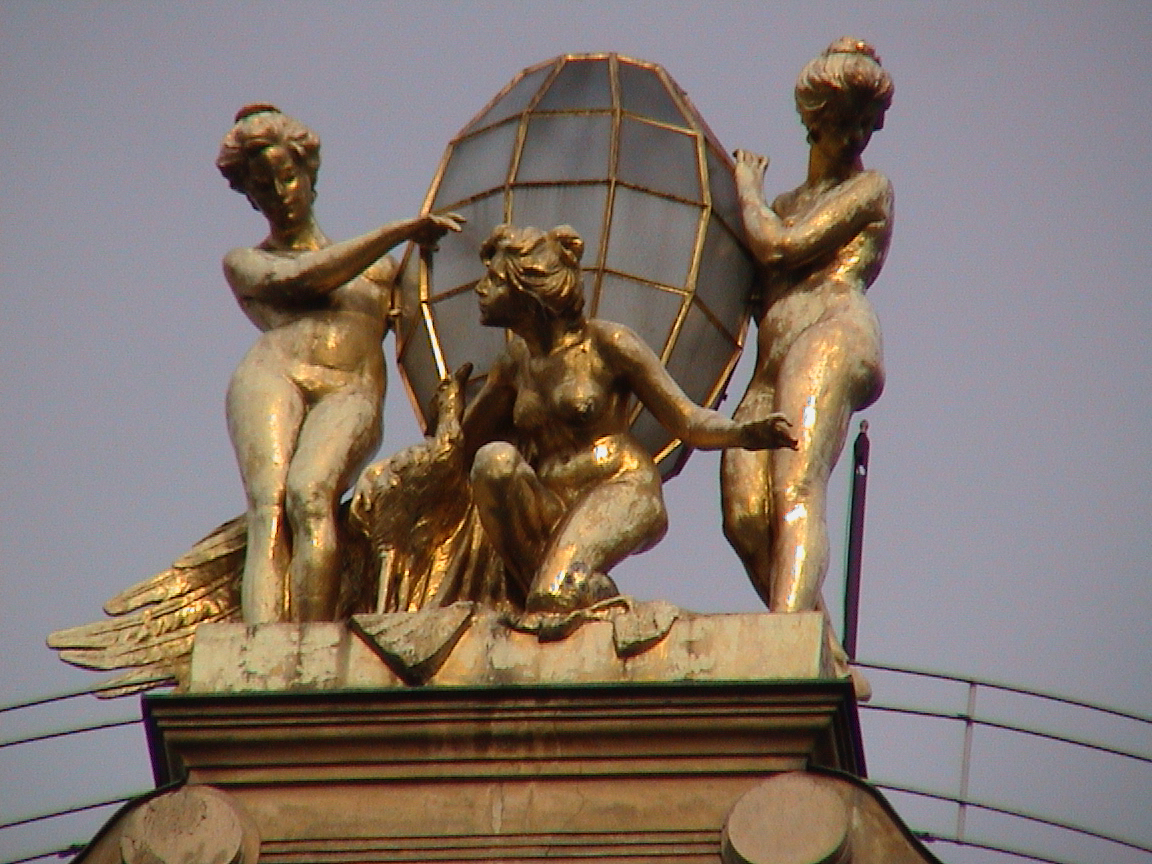
- If you look to the top of the Grand Hotel Europa, you can see three naked women bathing.
-
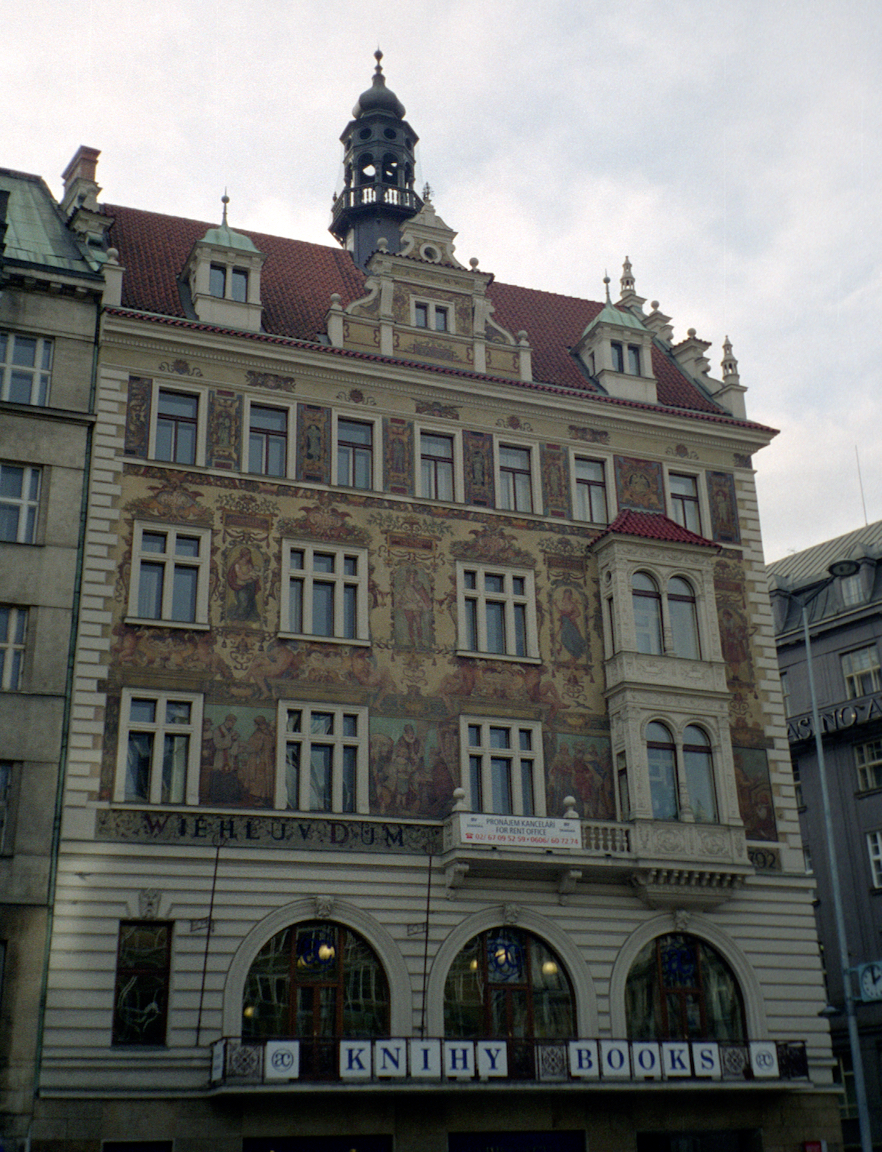
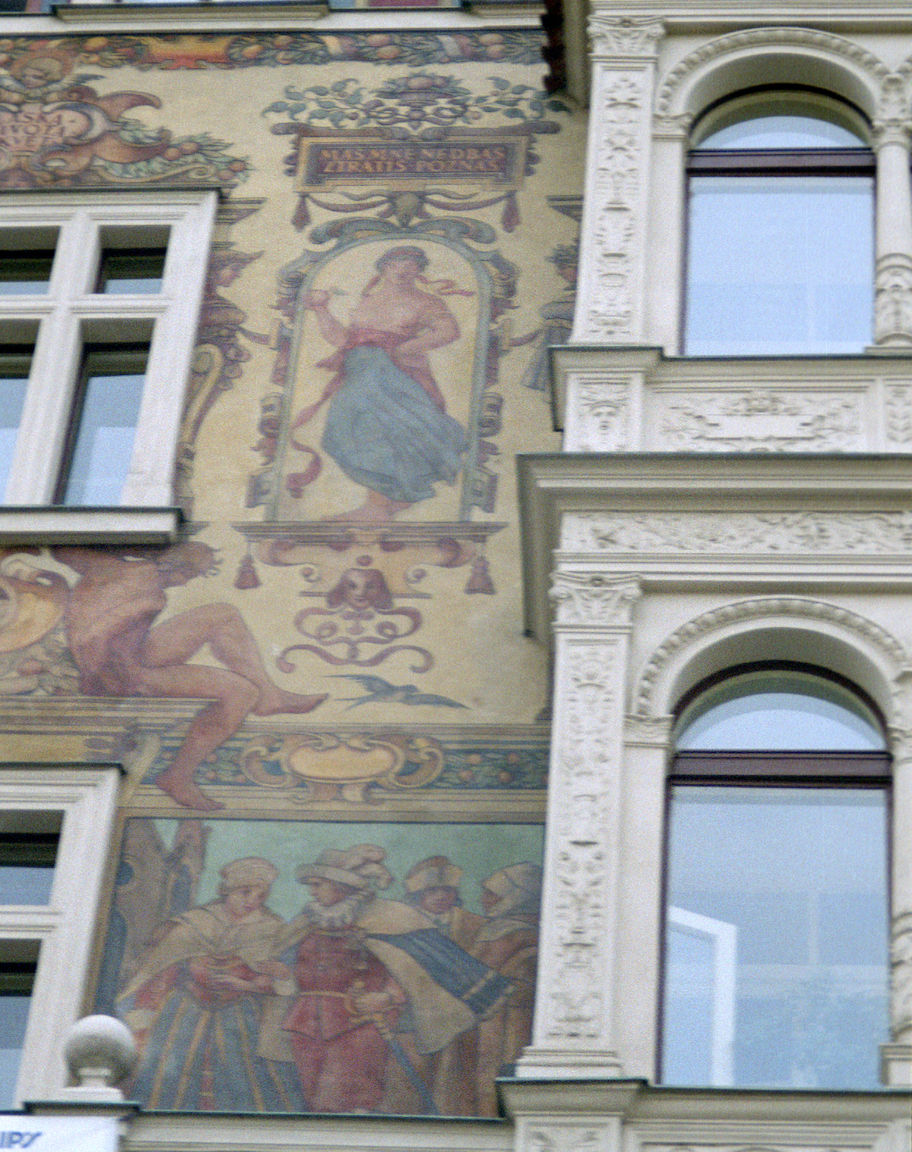
- This bookstore on Wenceslas Square is covered in frescoes.
-
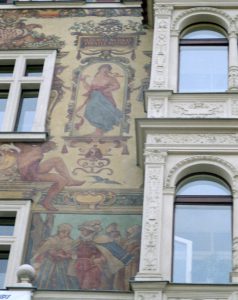
- Some of the bookstore’s detail, including a figure “supporting” one of the window frames.
-
- Wenceslas Square is actually a very wide boulevard that runs for several blocks. This view looks back from about half-way up.
-
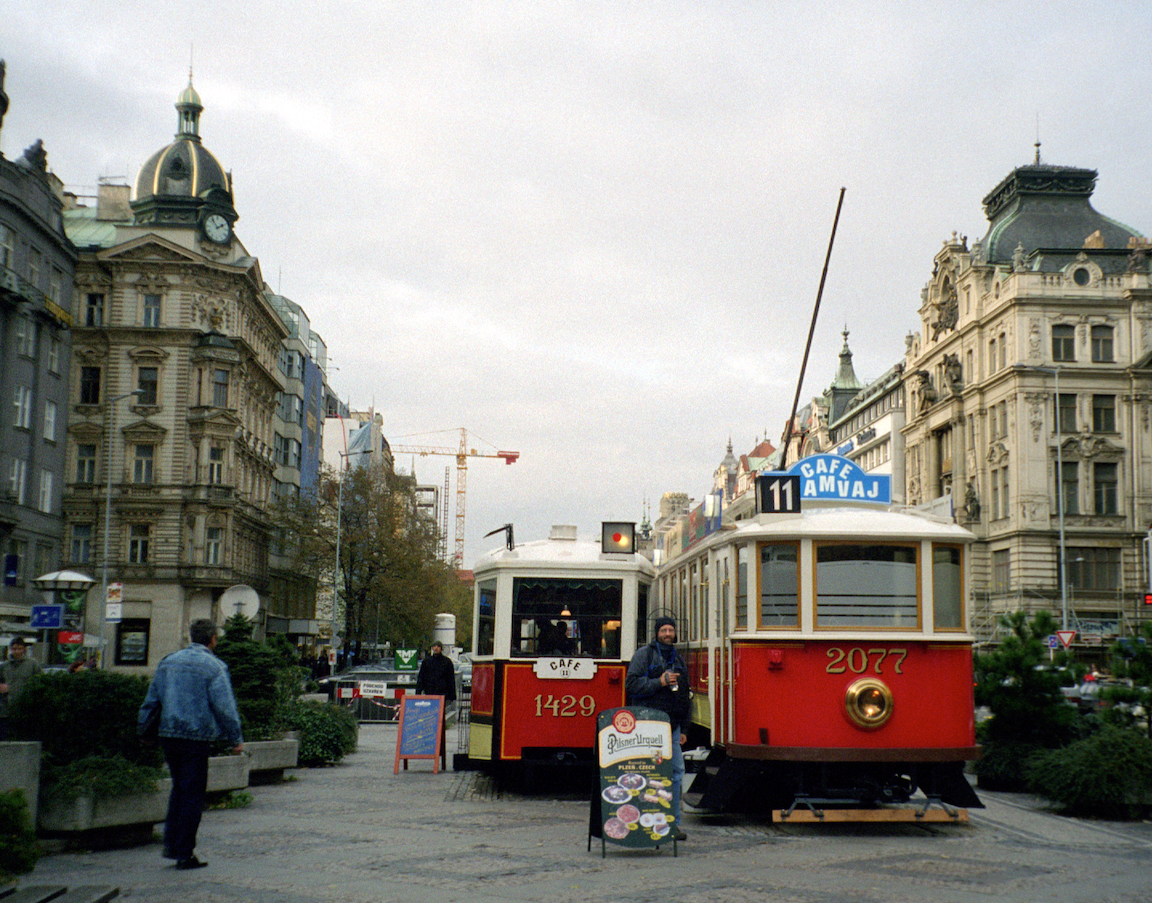
- Some old tram cars have become a convenient place to stop for coffee.
-
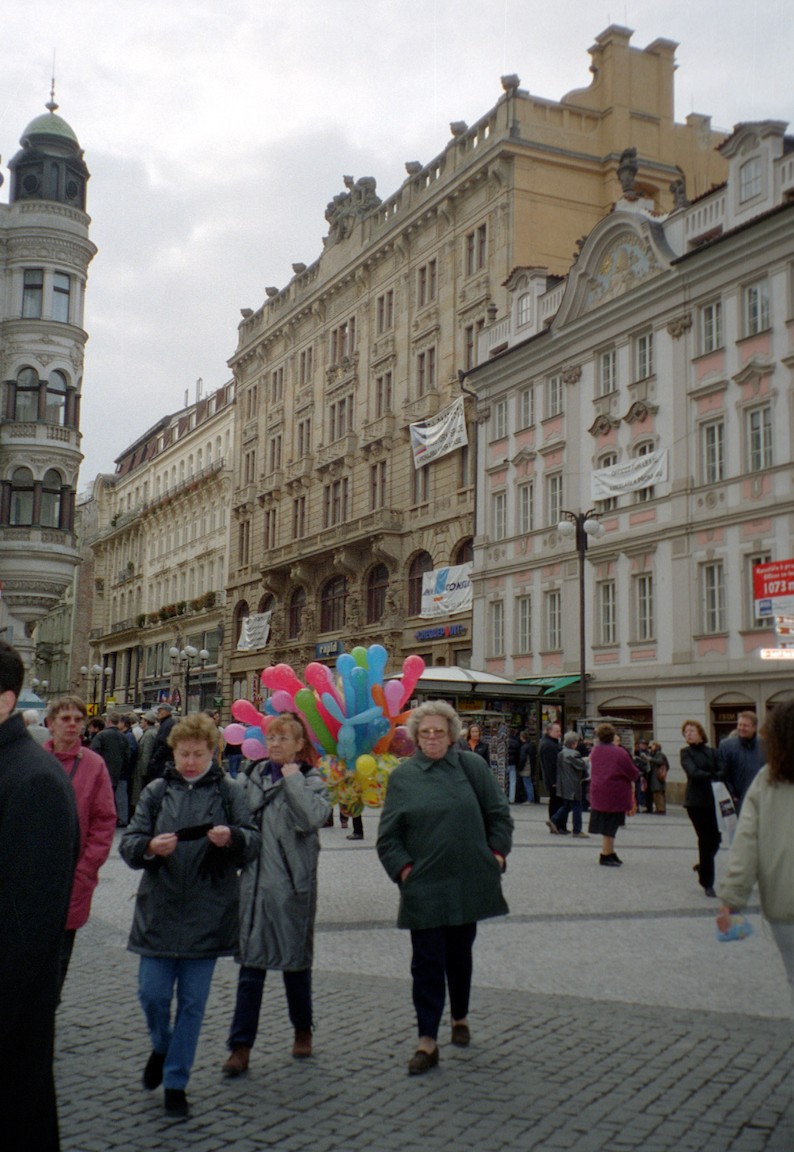
- This city is so pleasant to look at, it’s a pity that so much of it is polluted with advertising banners.
-
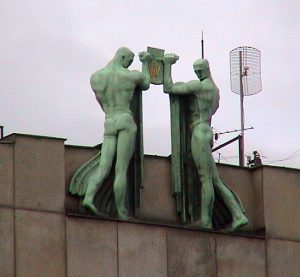
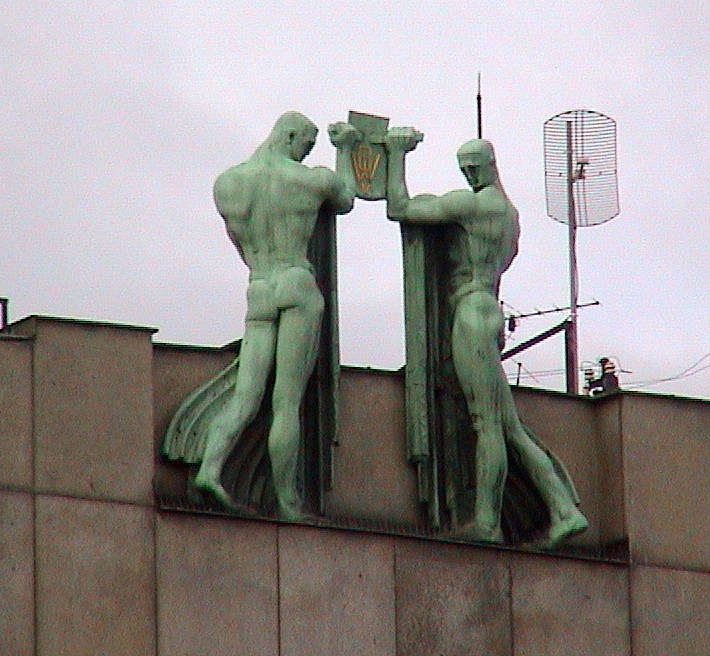
- If you don’t look up, you miss a lot. These naked workers are likely remnants of the communist era.
-
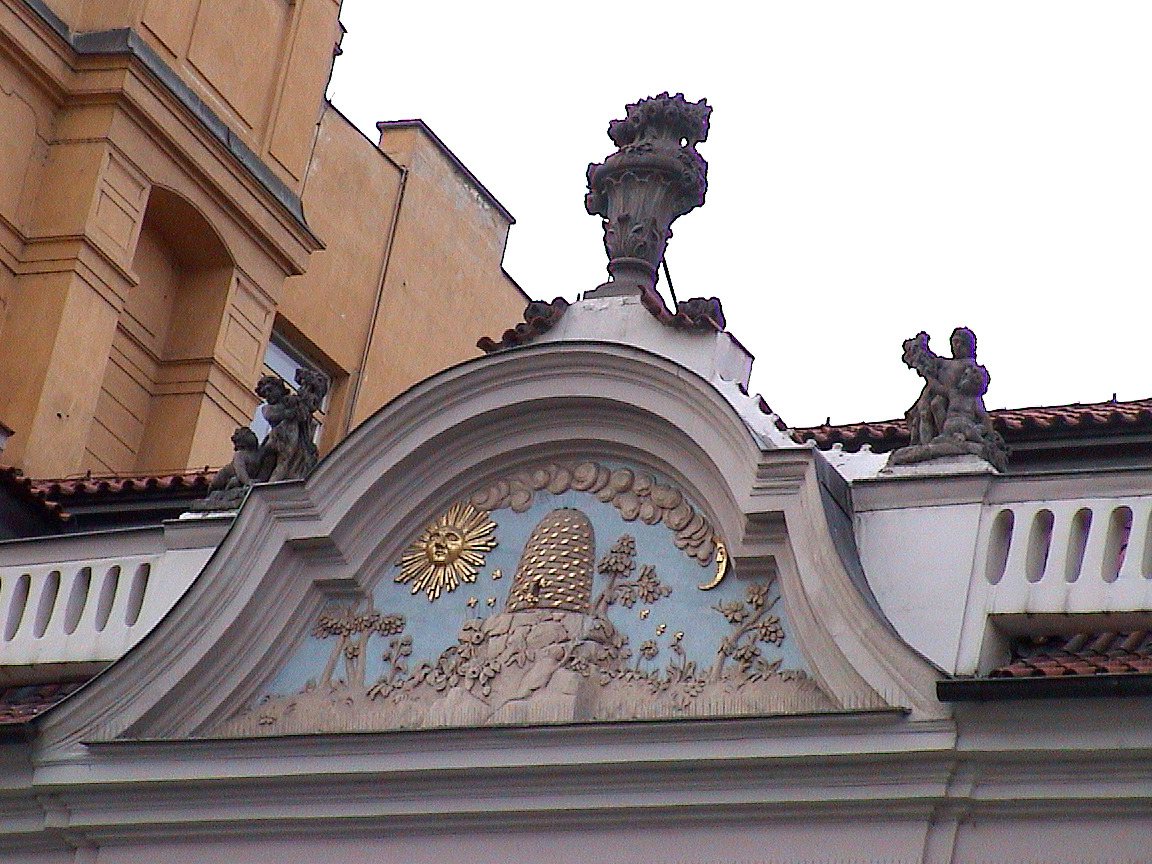
- A relief of a beehive.
-
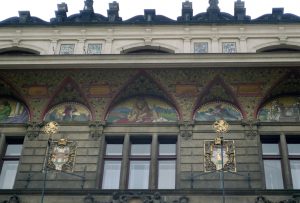
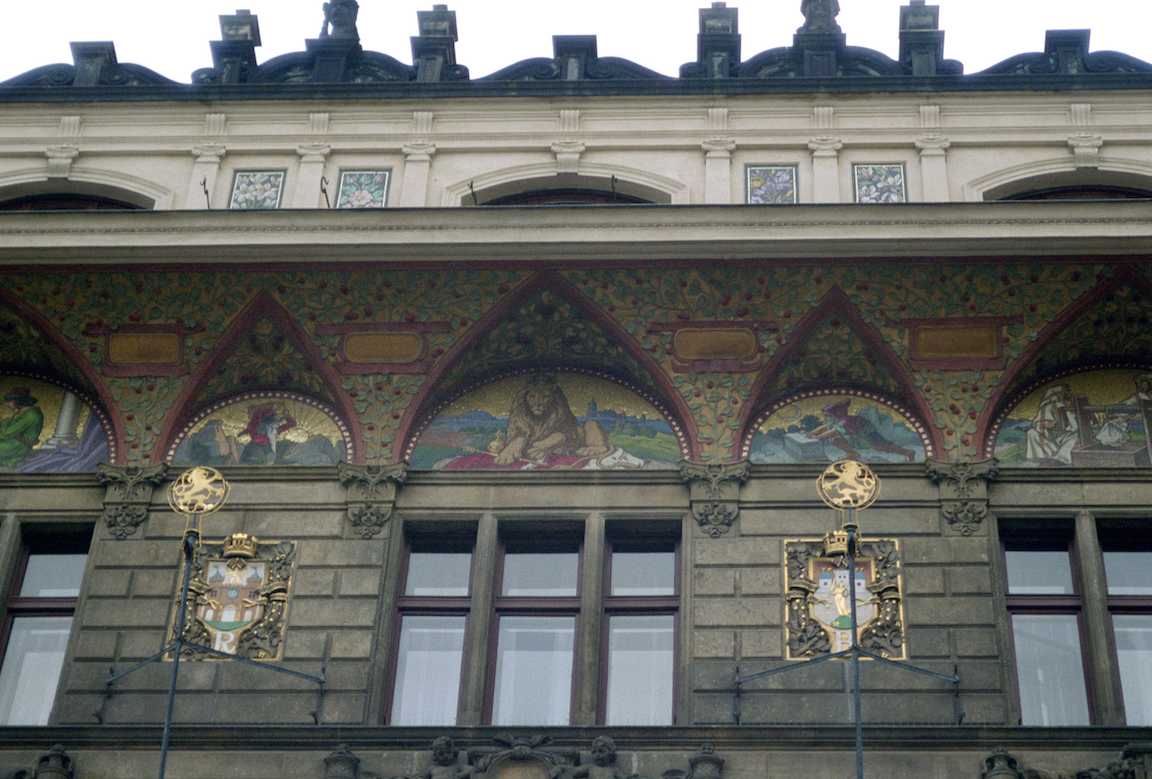
- Many buildings present images from every flat surface.
-
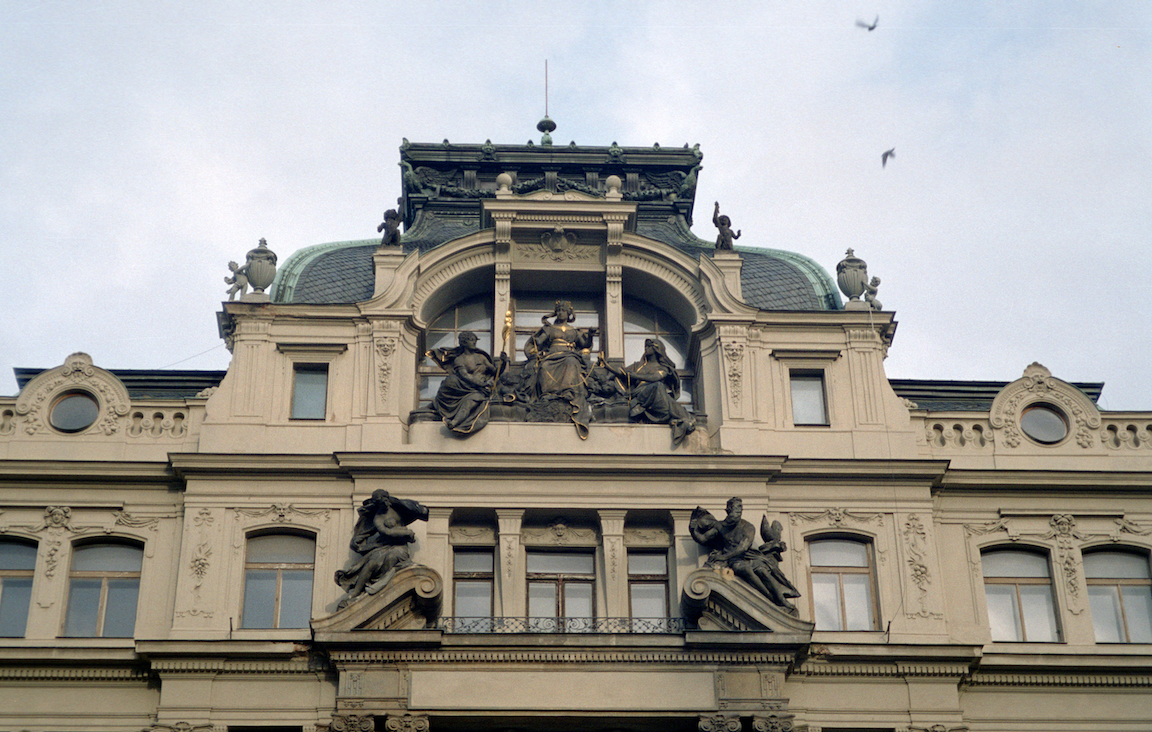
- If it’s possible for there to be too many sculptures on one building, it’s probably happened in Prague.
-
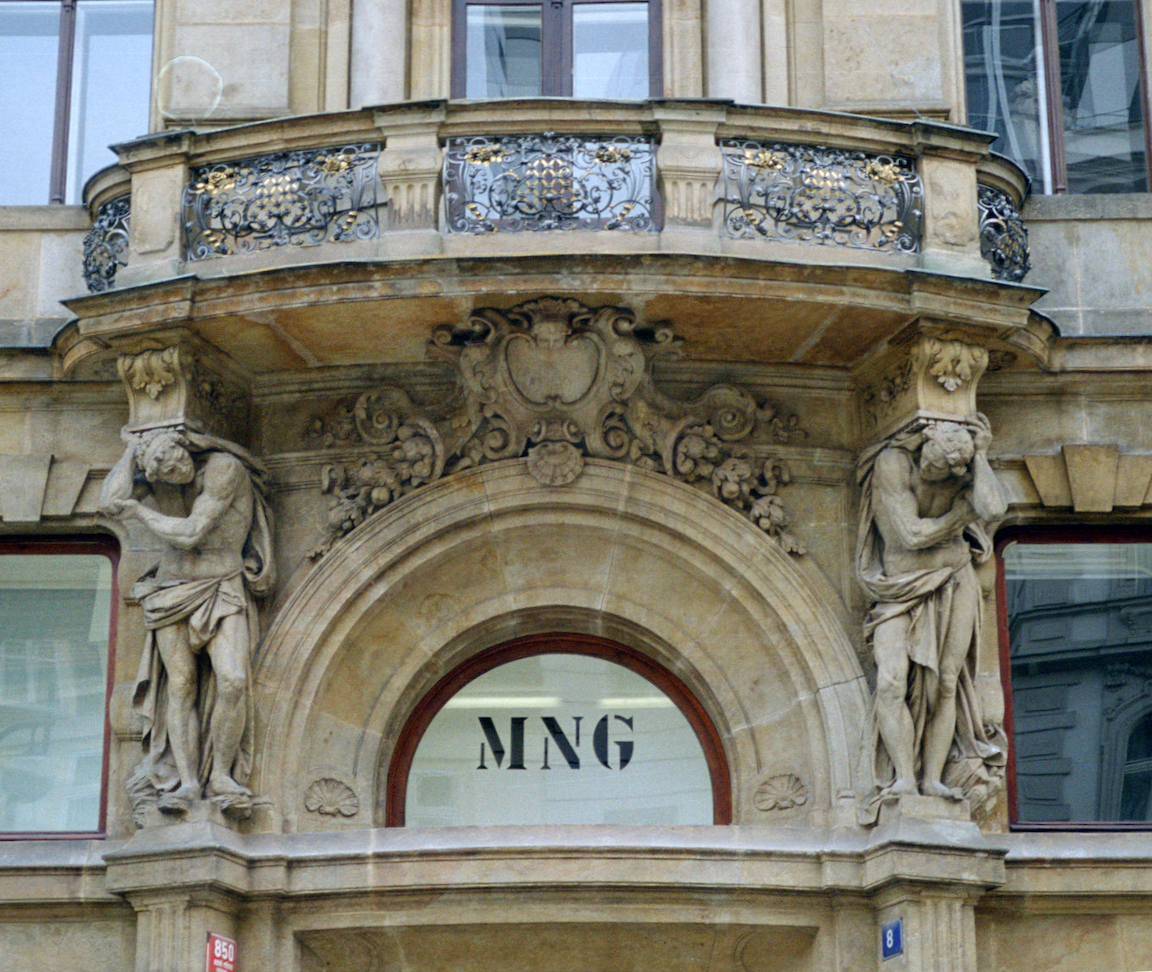
- It appears that using ordinary columns to support a balcony would be a code violation.
-
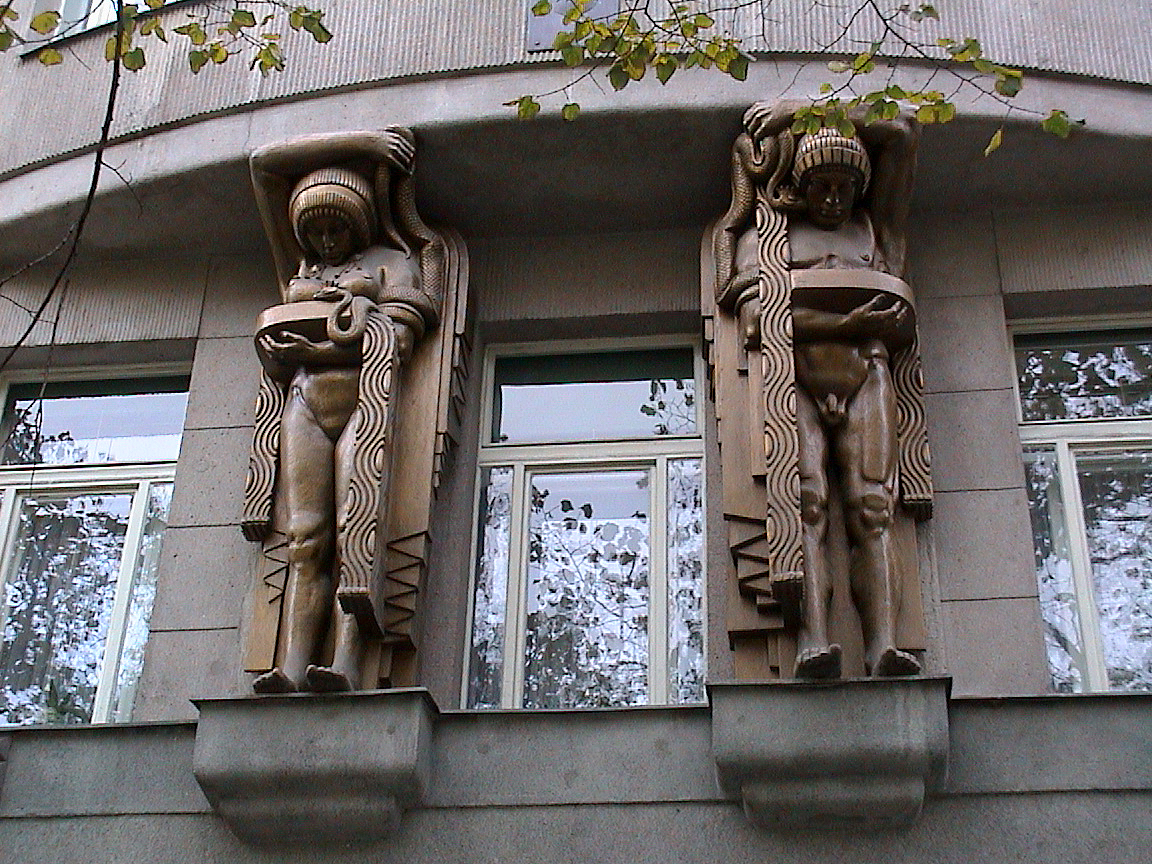
- Not all balconies are supported by strong men. In this case, the support is provided by Adam and Eve.
-
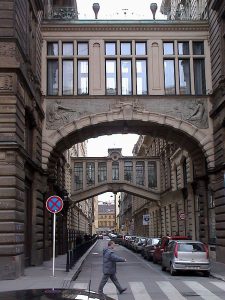
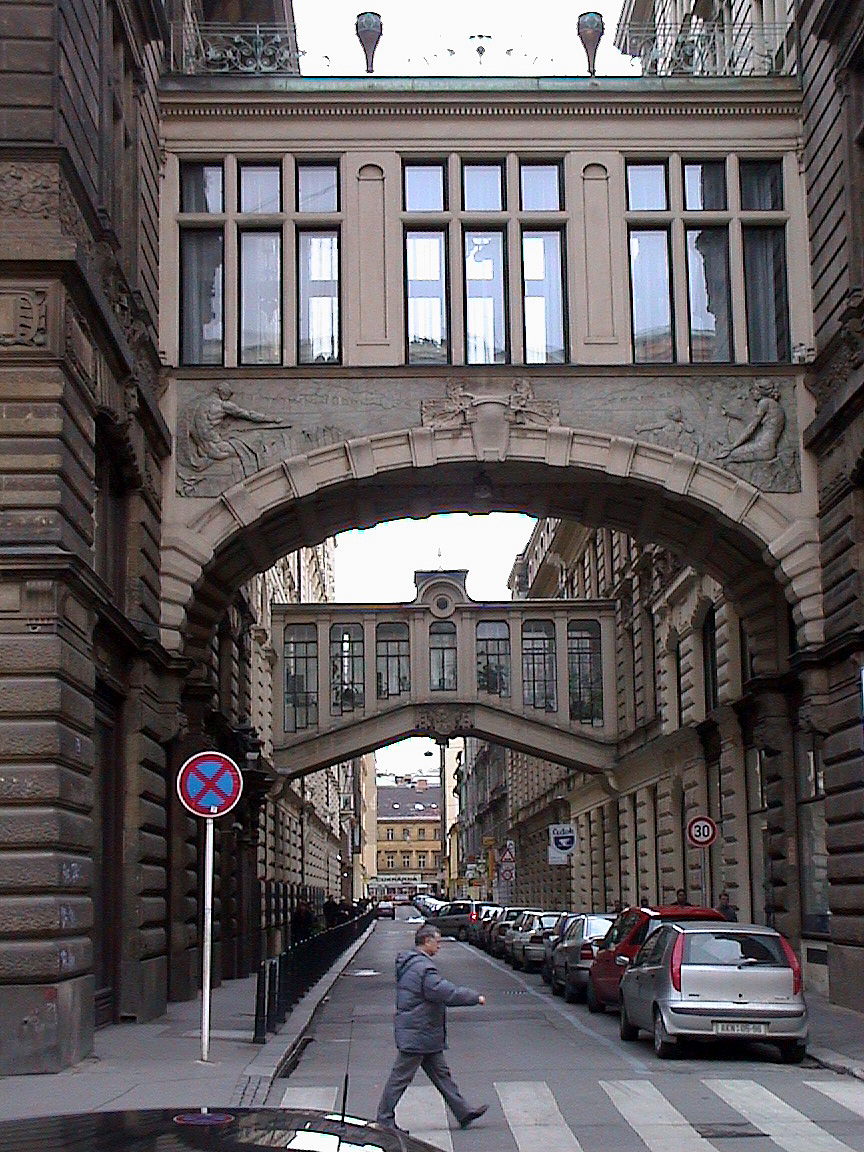
- Not even upper-level passageways between buildings are allowed to look ordinary.
-
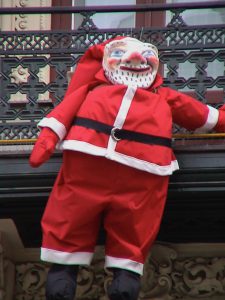
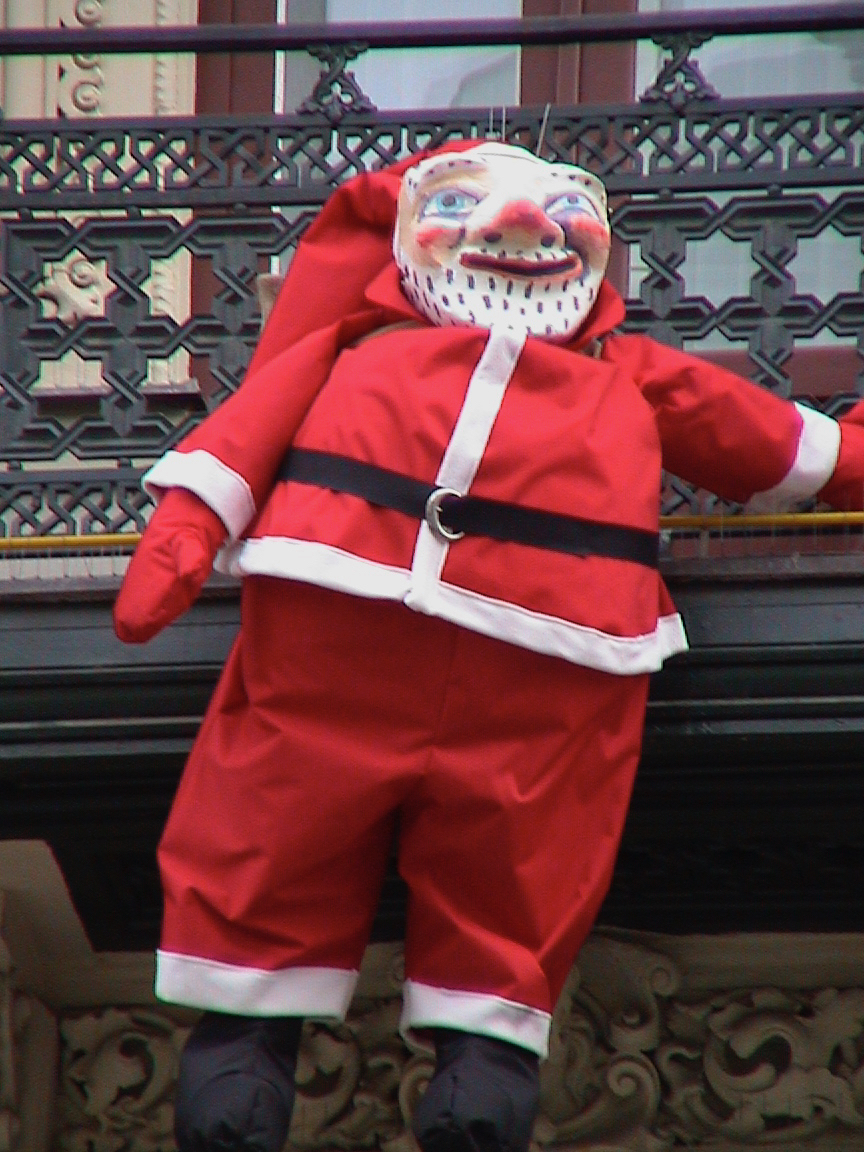
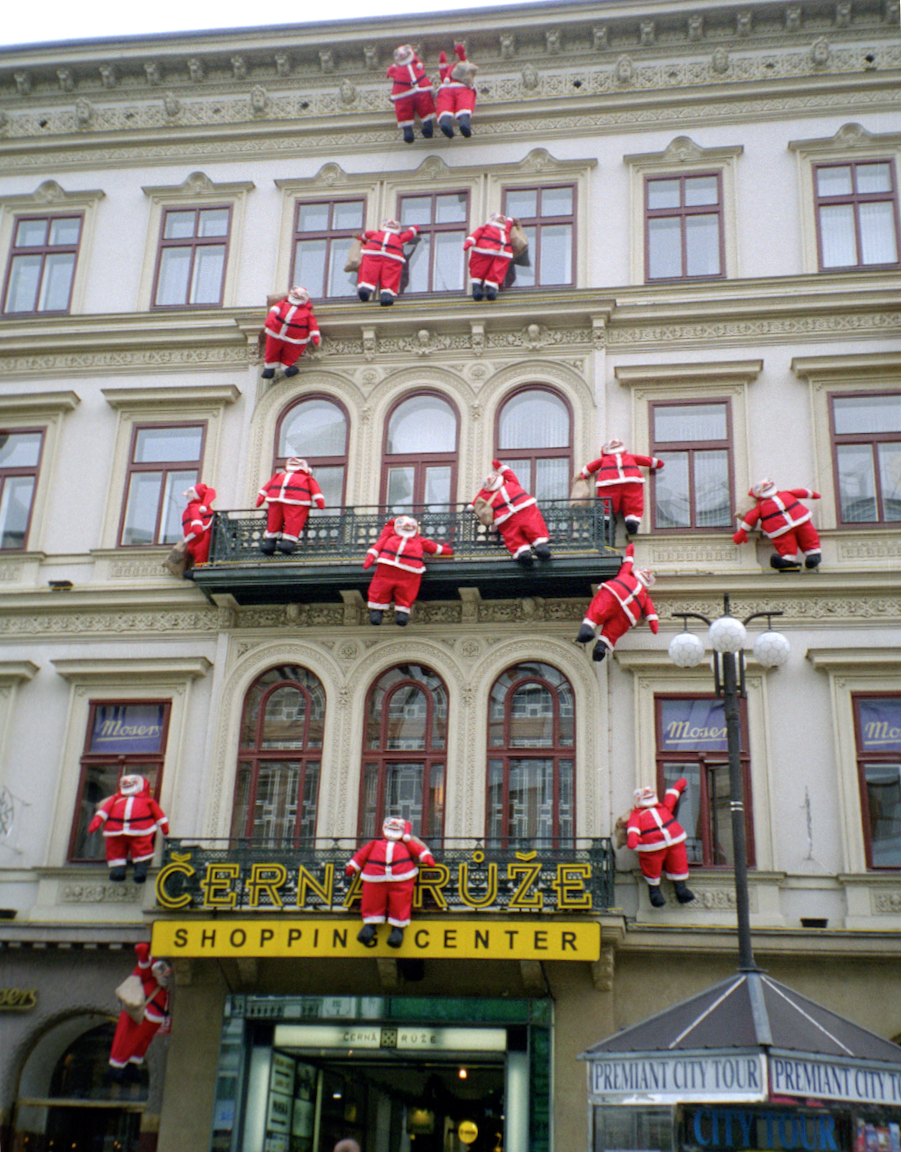
- Czech merchants are much like their American counterparts, in that holiday displays come out in early November.
-
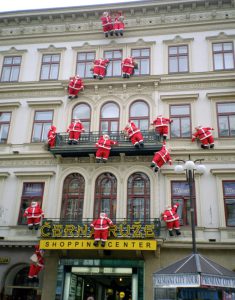
- One Santa is not enough to get noticed.
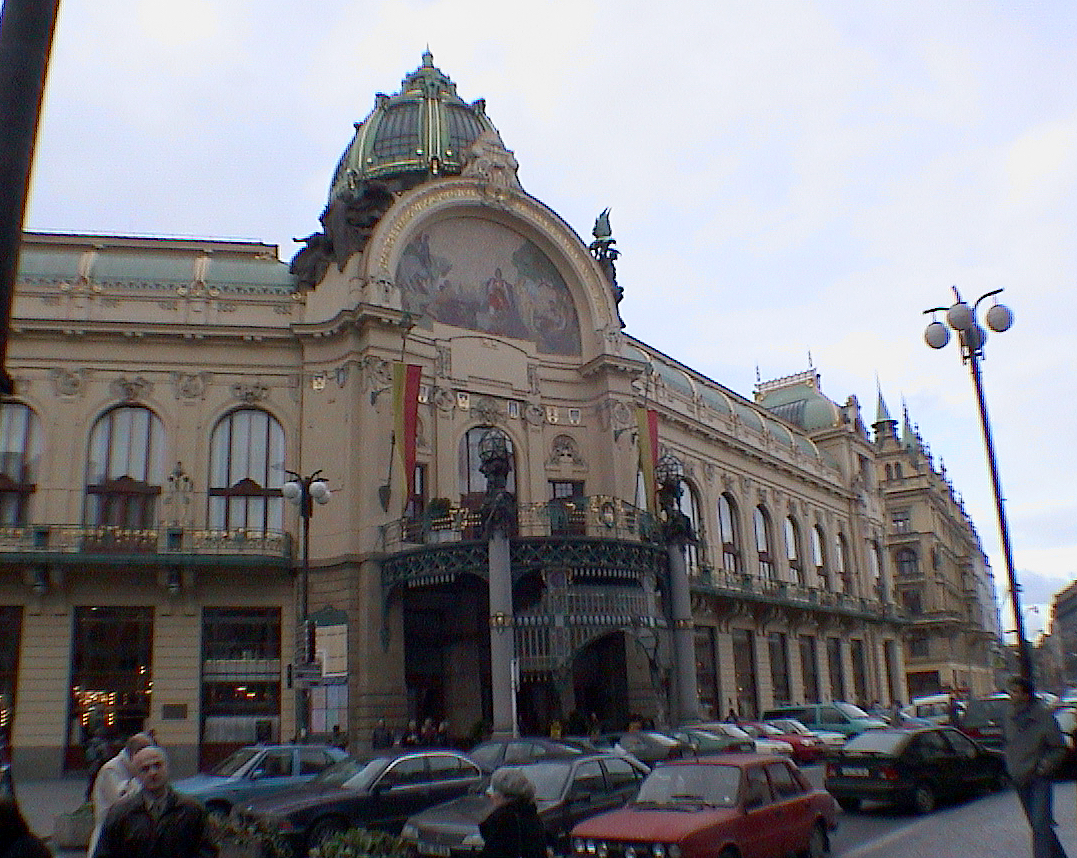
We worked our way toward Staremestke Namesti (Old Town Square) by way of Obecni Dum (a magnificent theatre building). The sun was still up when we got to the square. Some buildings were bathed in golden sunlight, while others faded into the shadows.
-
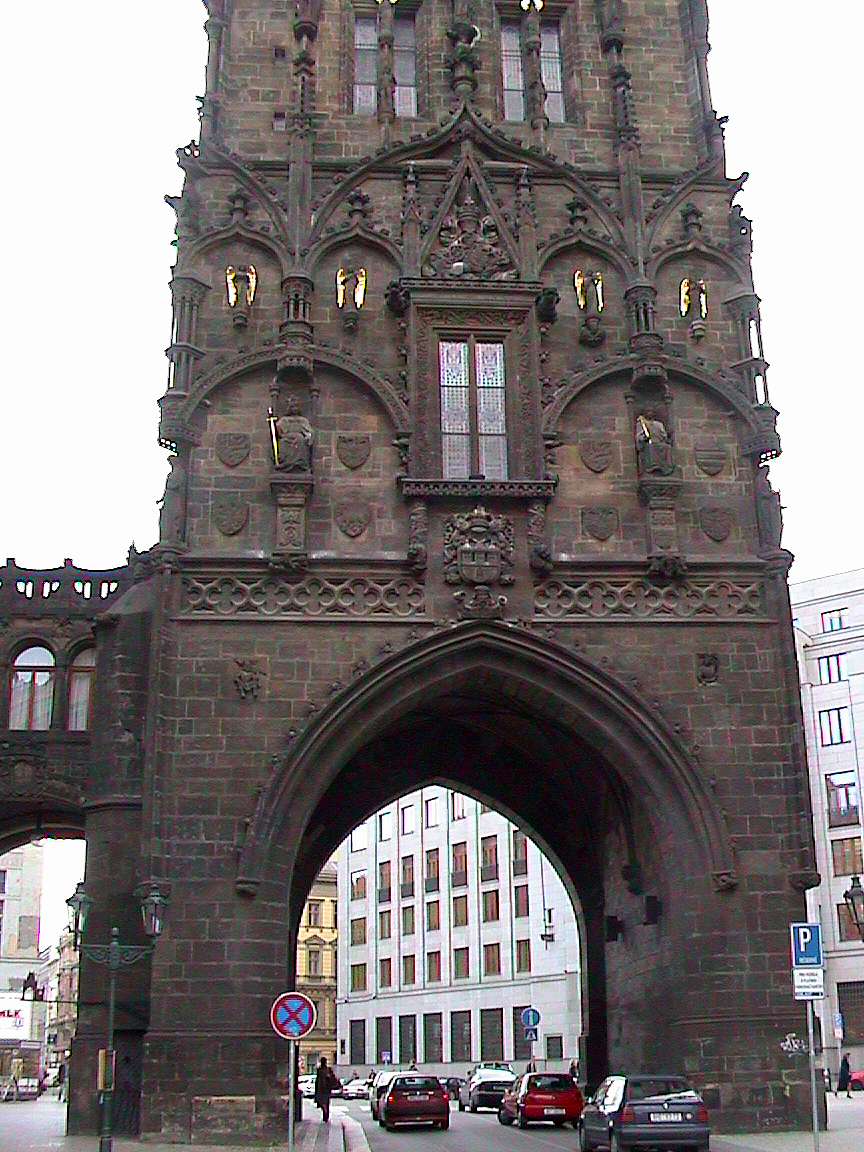
- This tower was a city gate built in the 15th century.
-
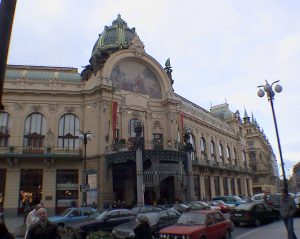
- The Municipal House is a concert hall built in the early 20th century to replace one from the 14th century.
-
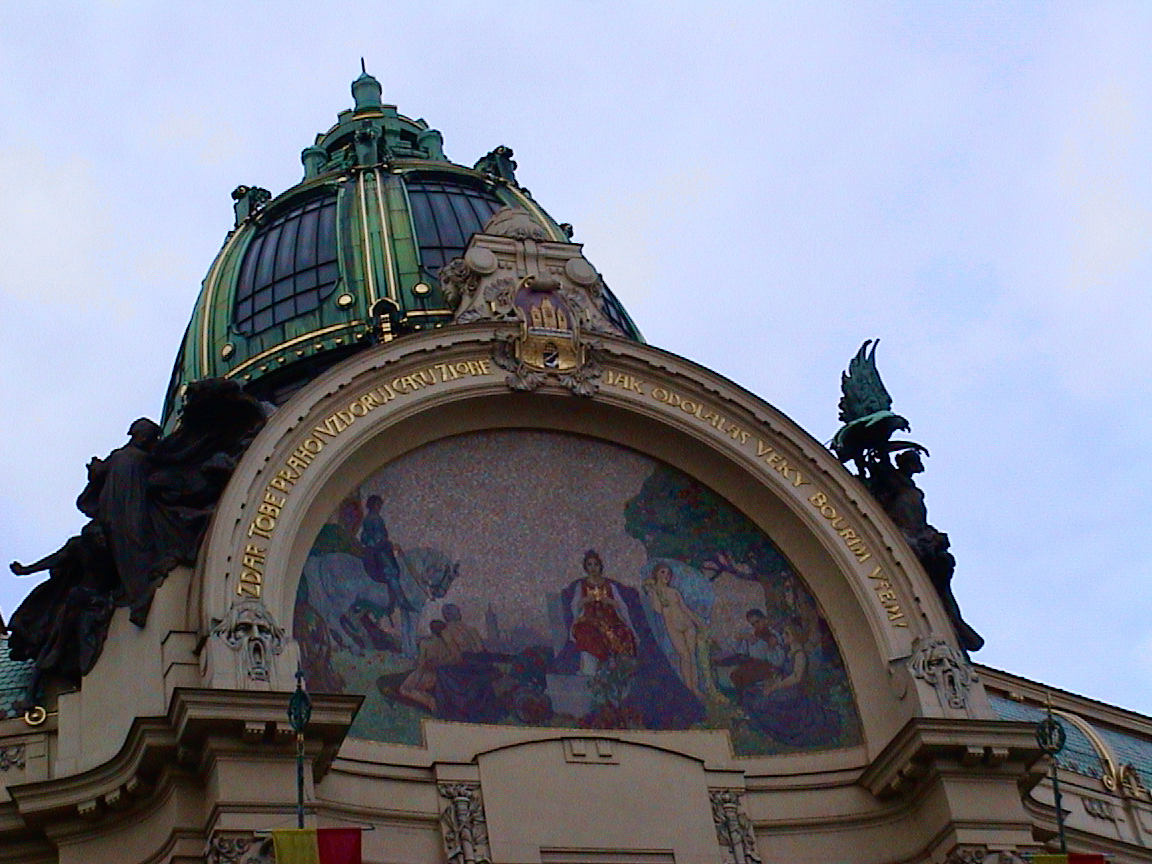
- A closer look at the artwork above the main entrance to Obecni Dum.
-
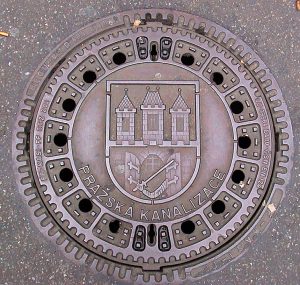
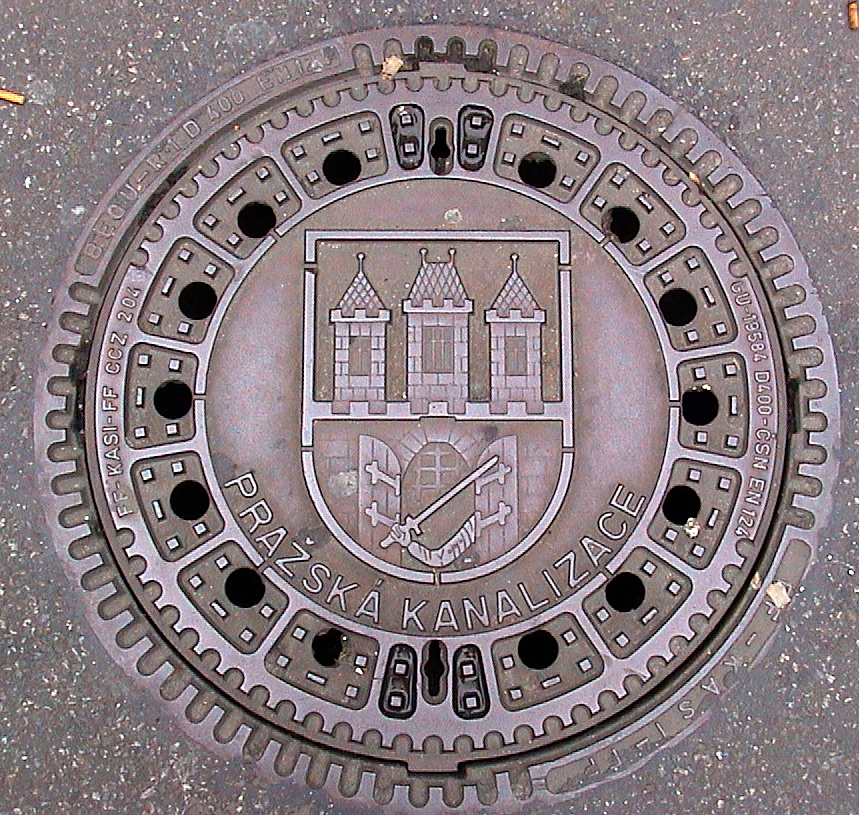
- A Prague manhole cover.
-
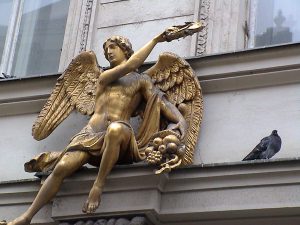
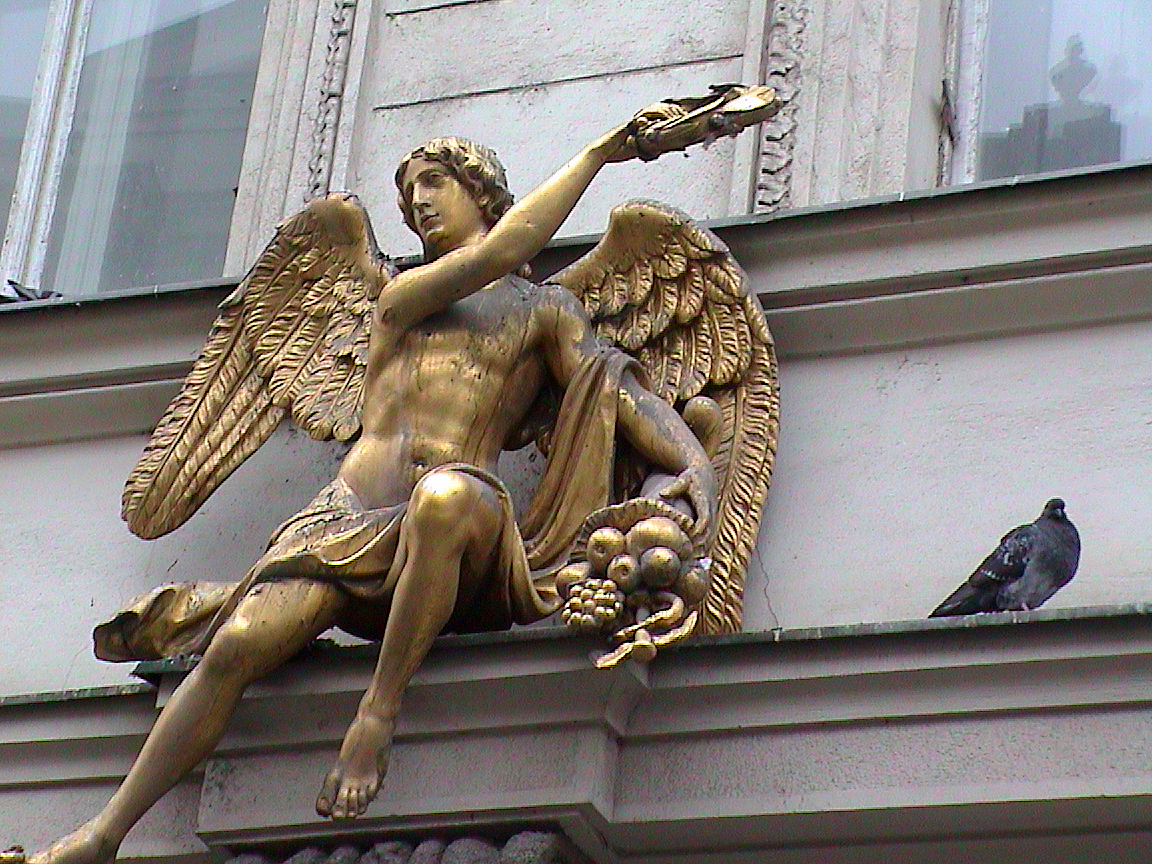
- A golden angel rests on a ledge near the Powder Gate while a pigeon takes a break from decorating the angel.
-
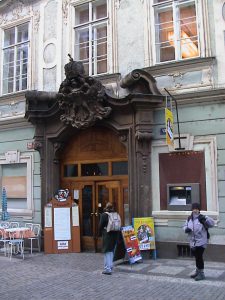
- The Millesimovsky Palace was rebuilt in 1750, but the building was there long before that.
-
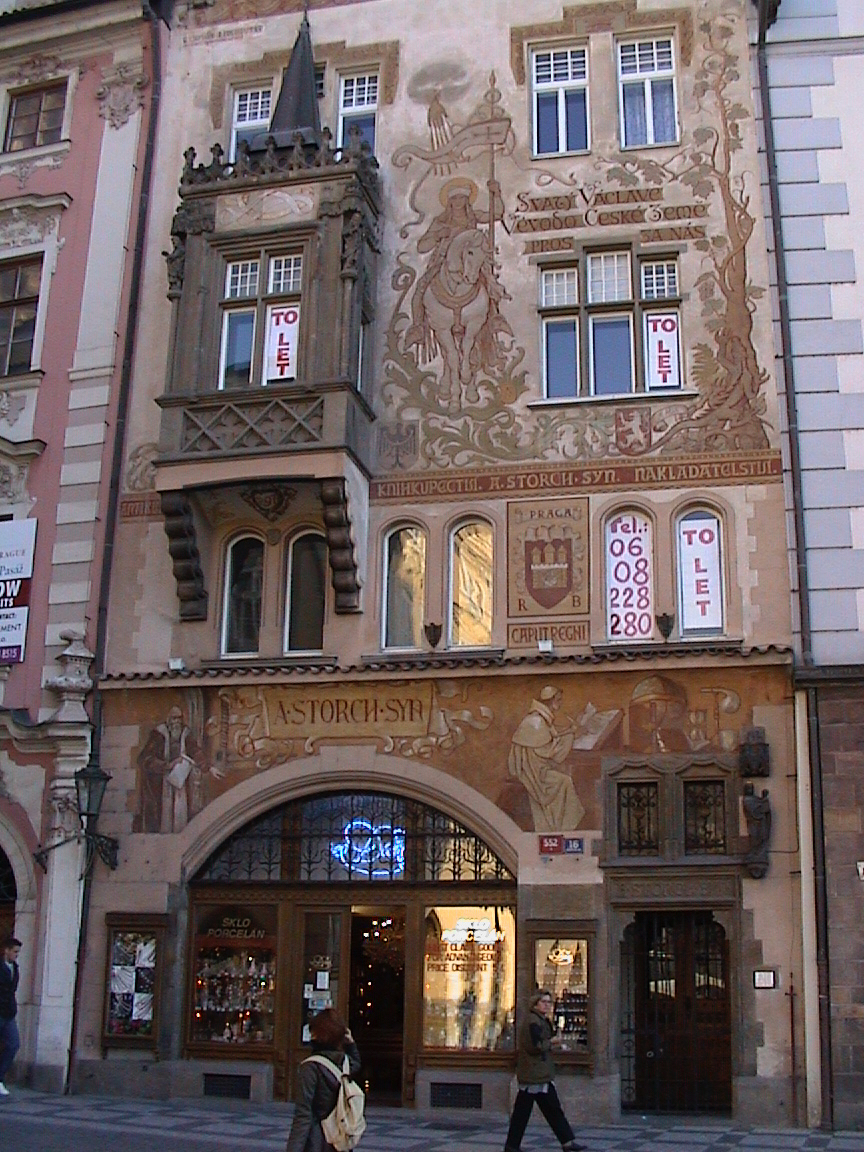
- This house at the entrance to Old Town Square was built in the 15th century, and the murals were added late in the 19th century.
-
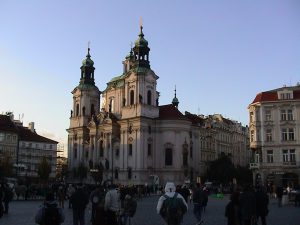
- St. Nicholas Church is where we saw a harp recital yesterday.
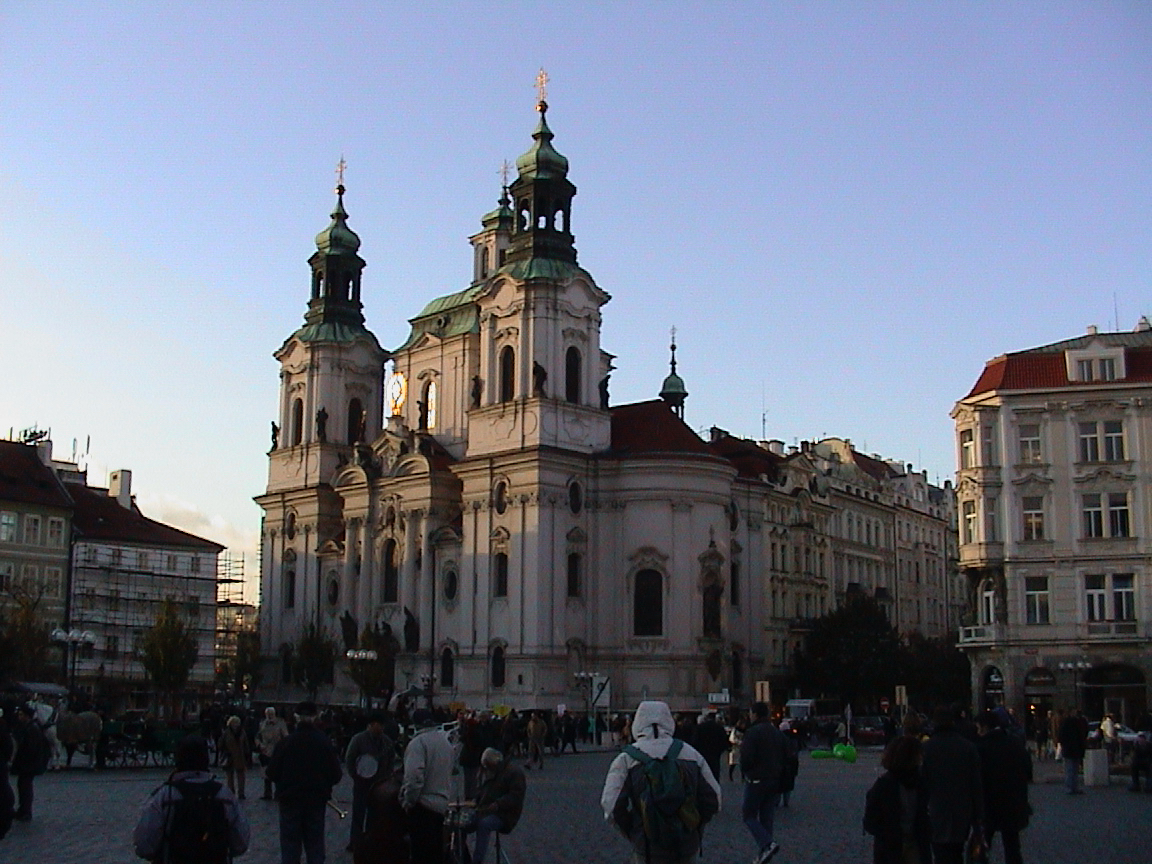
-
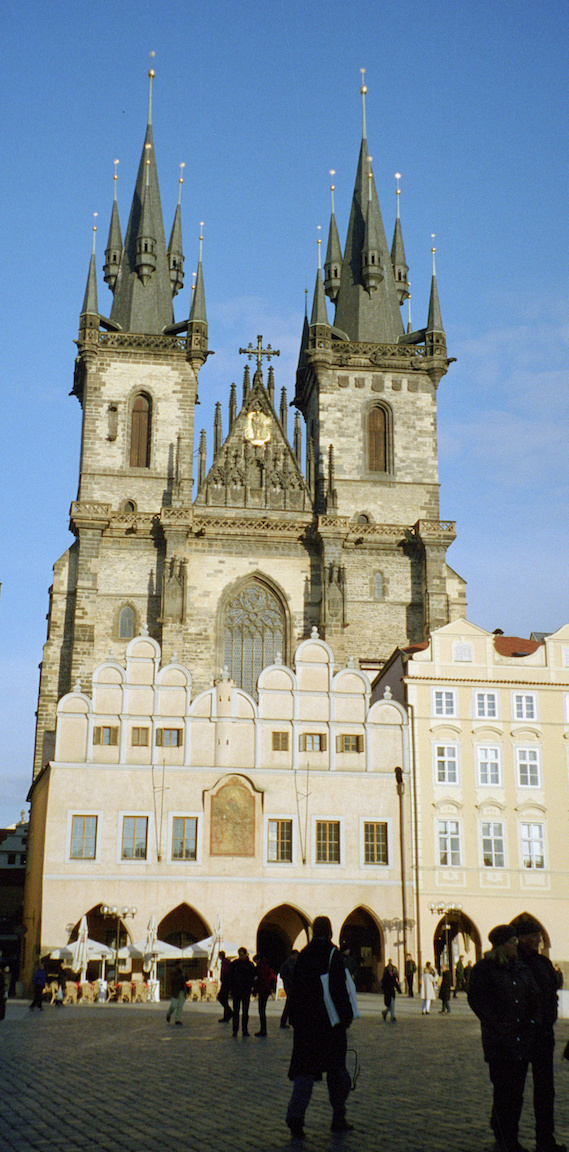
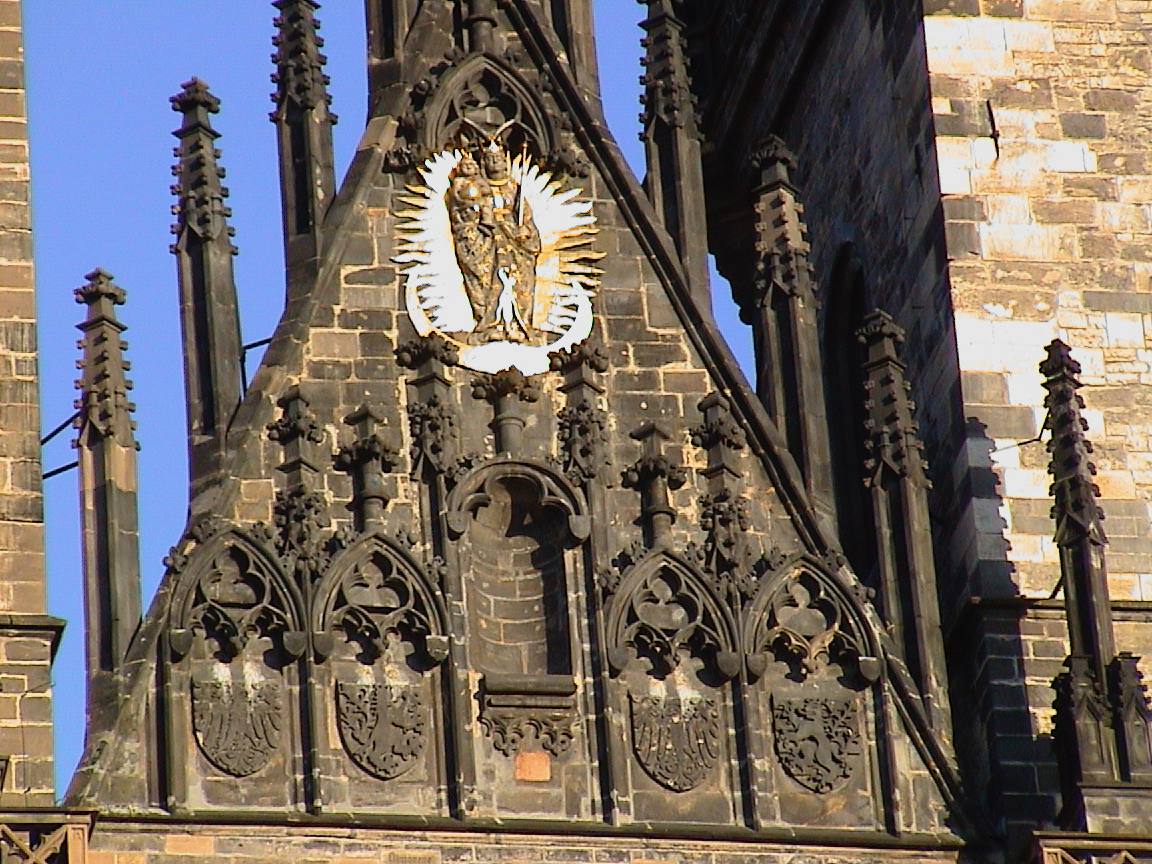
- The Church of Our Lady before Týn looks over Old Town Square, and is a prominent feature of the Prague skyline.
-
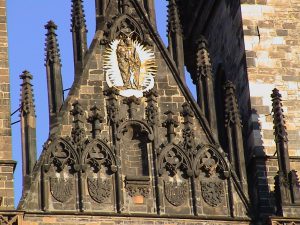
- A closer look at some detail of the Church of Our Lady before Týn.
-
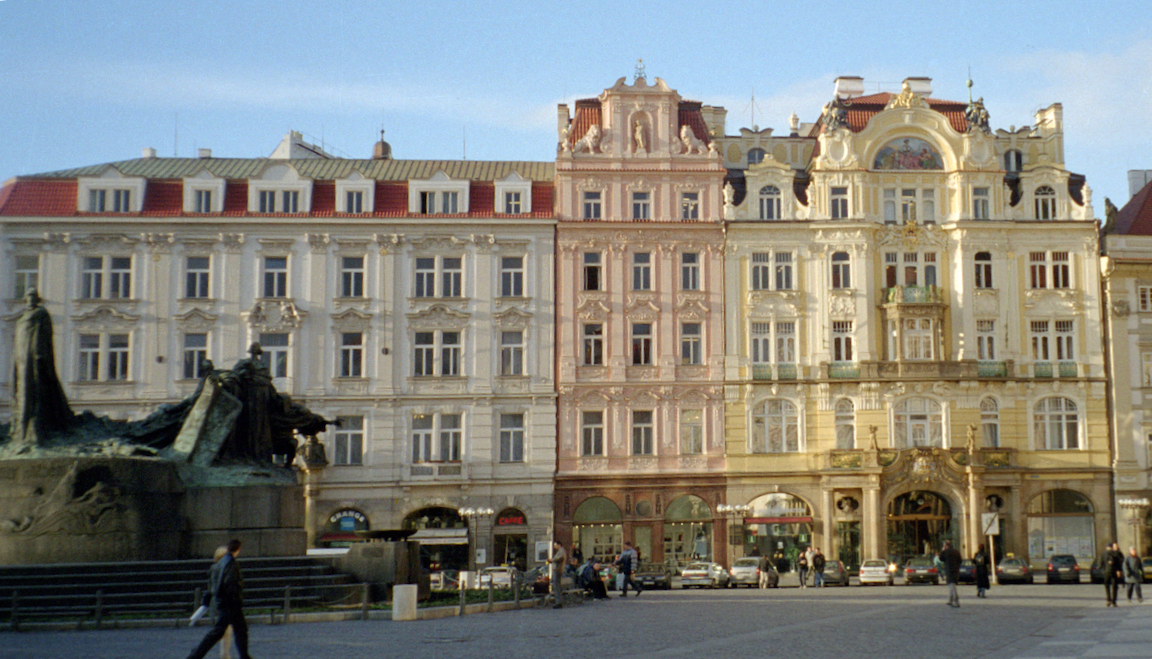
- Some of the ornate buildings that from a wall around Old Town Square
-
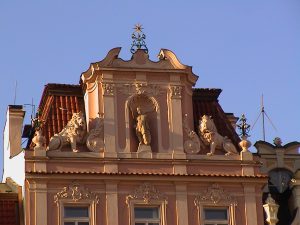
- Each building features their best decorations for the top.
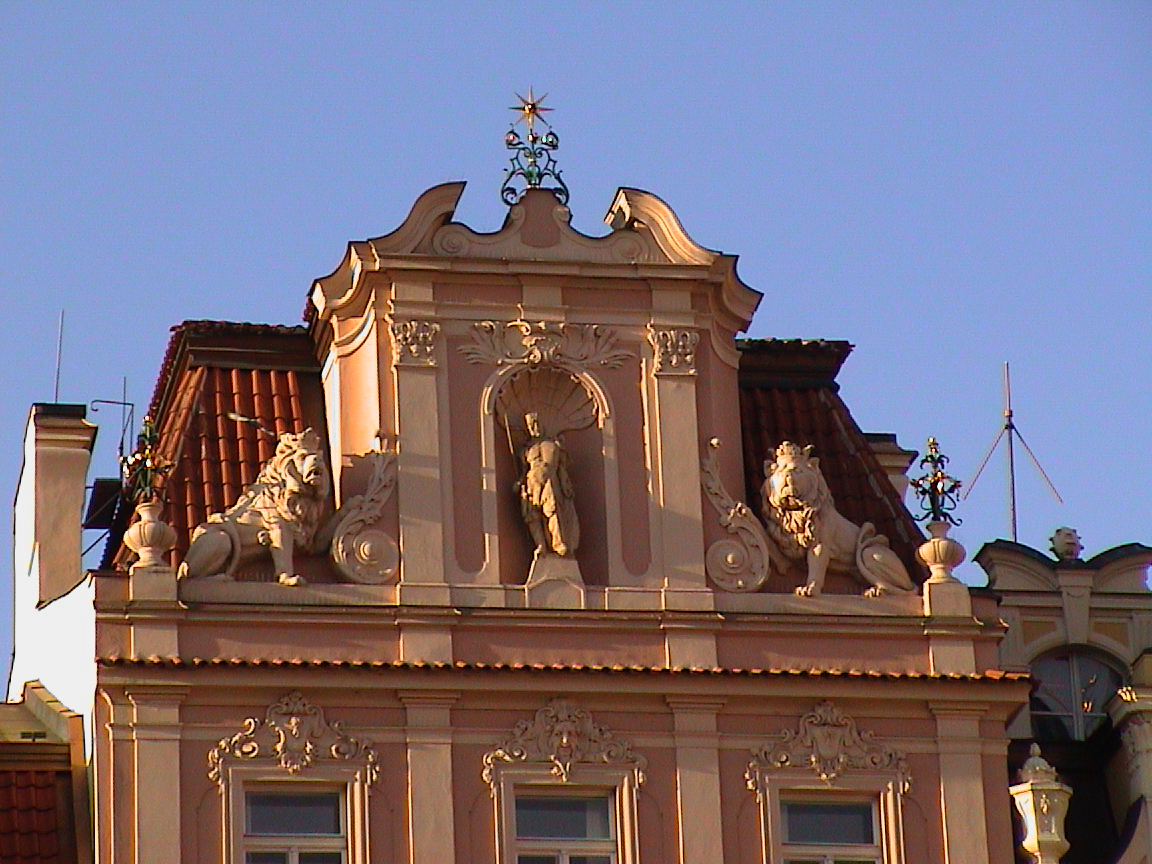
-
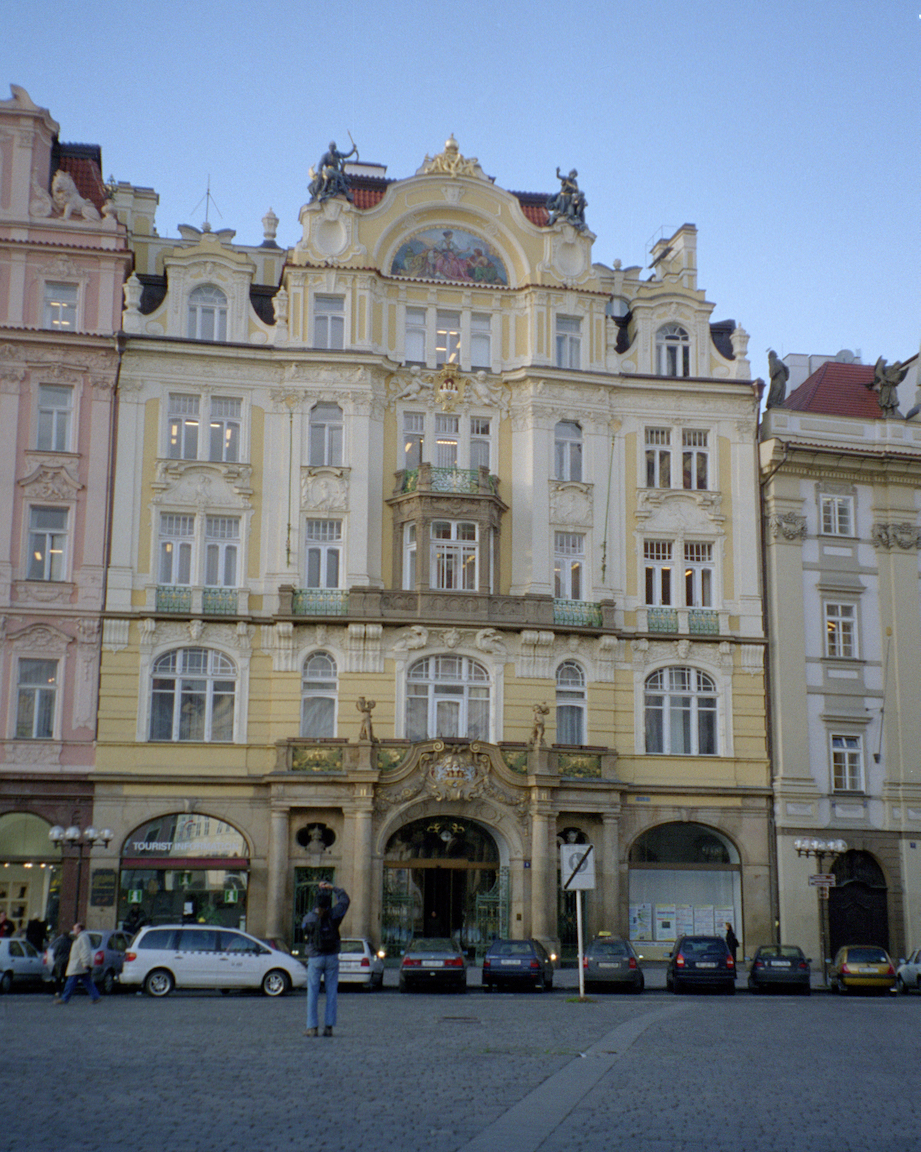
- Some of the buildings are government buildings. This one houses the Ministry Of Regional Development.
-
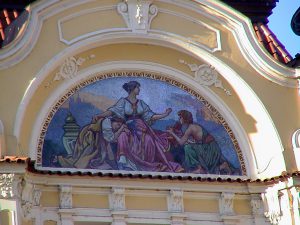
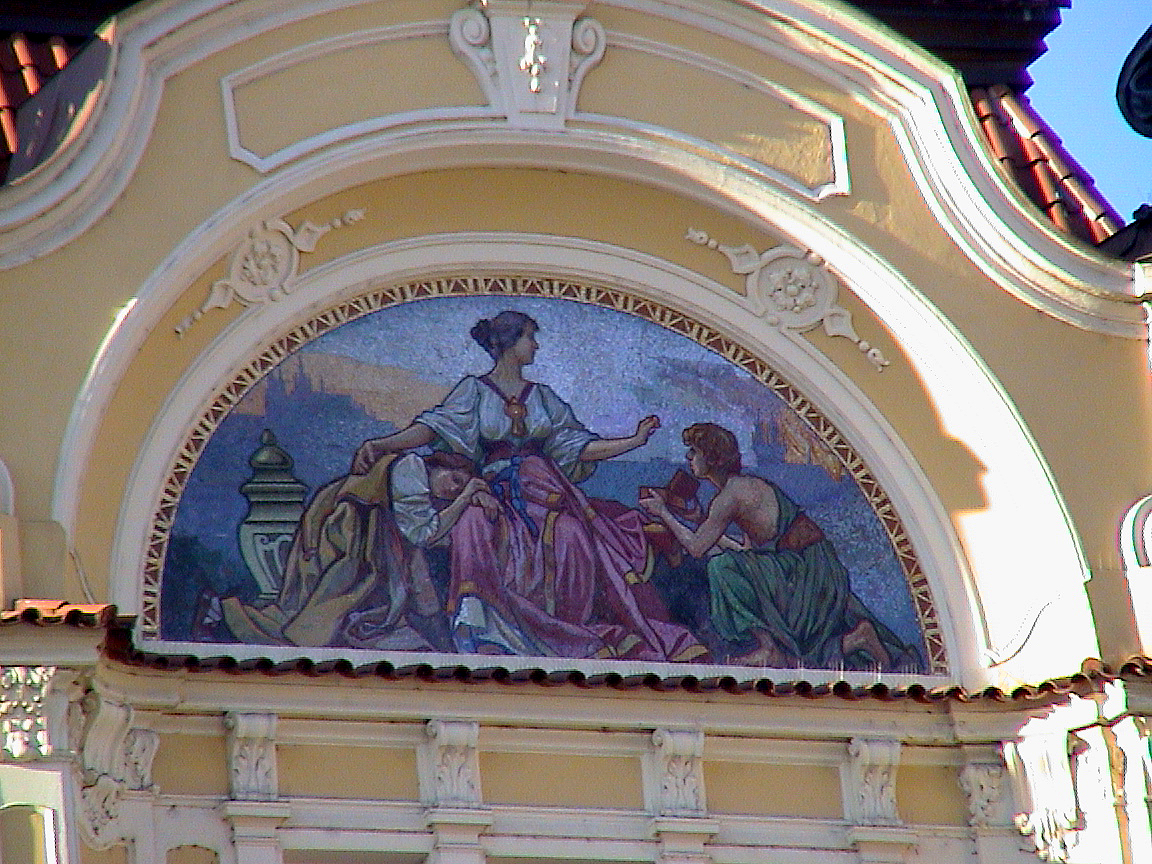
- A closer look at the artwork near the top of the Ministry Of Regional Development.
-
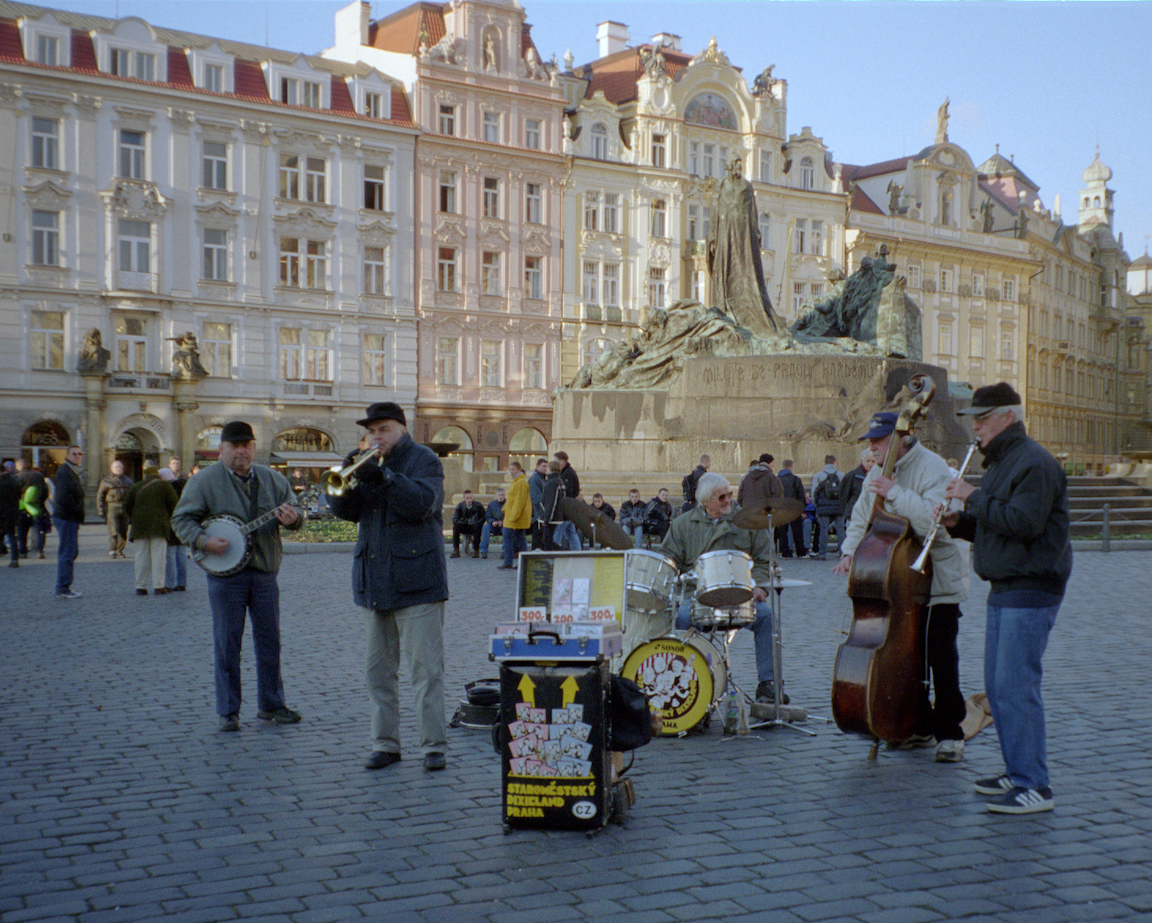
- A local dixieland band is busking on Old Town Square.
-
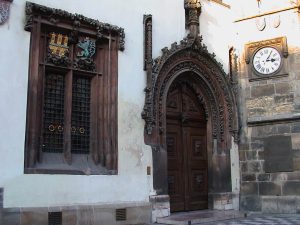
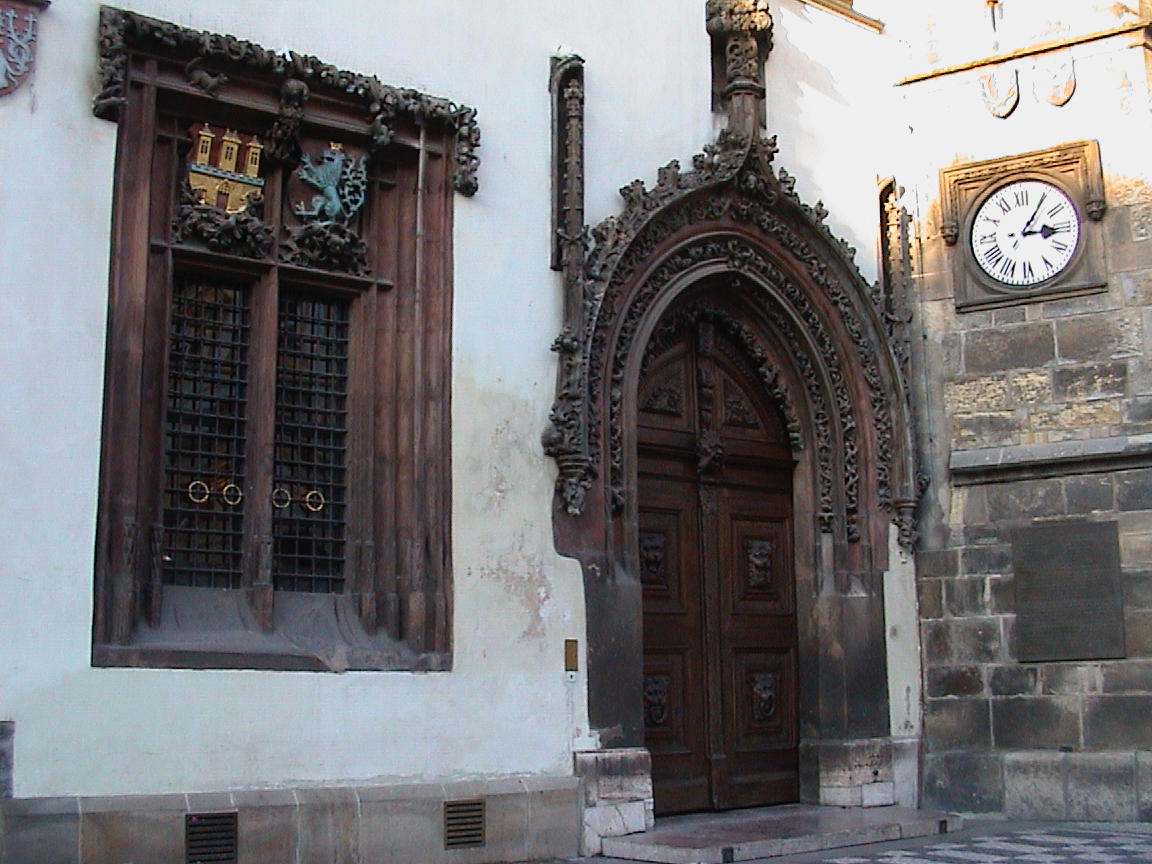
- A window and a door to an ancient house adjacent to the Astronomical Clock.
-
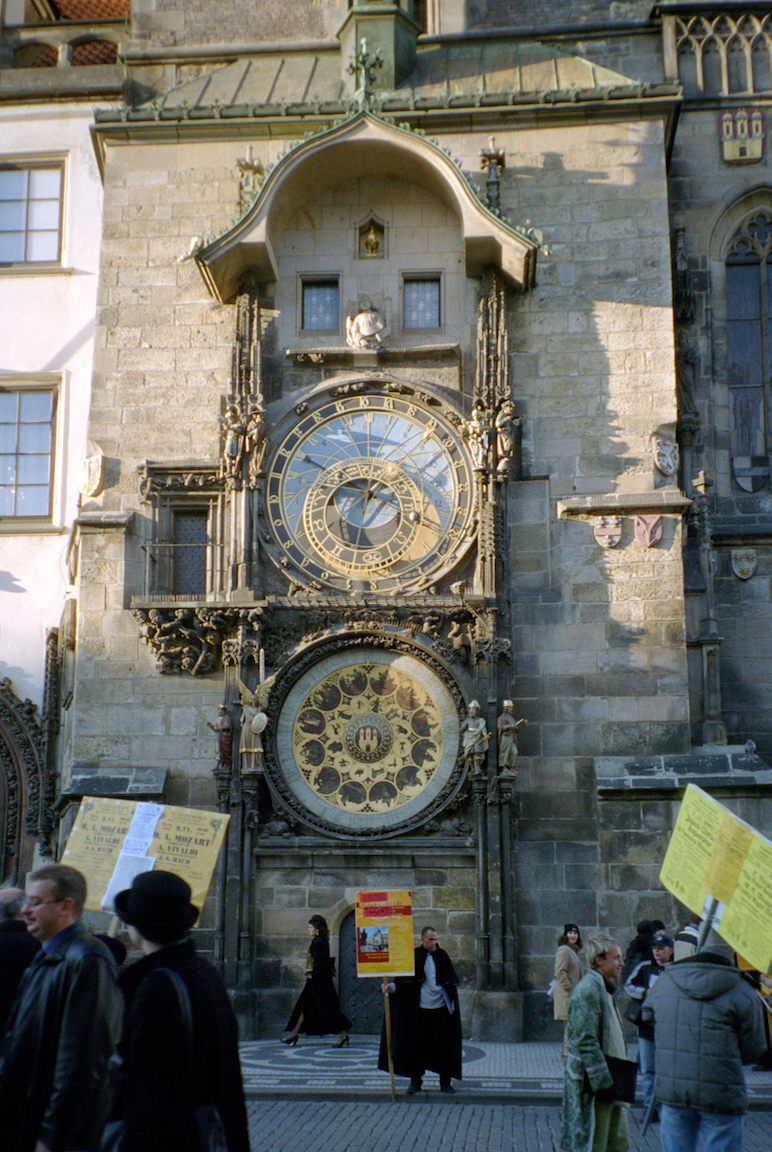
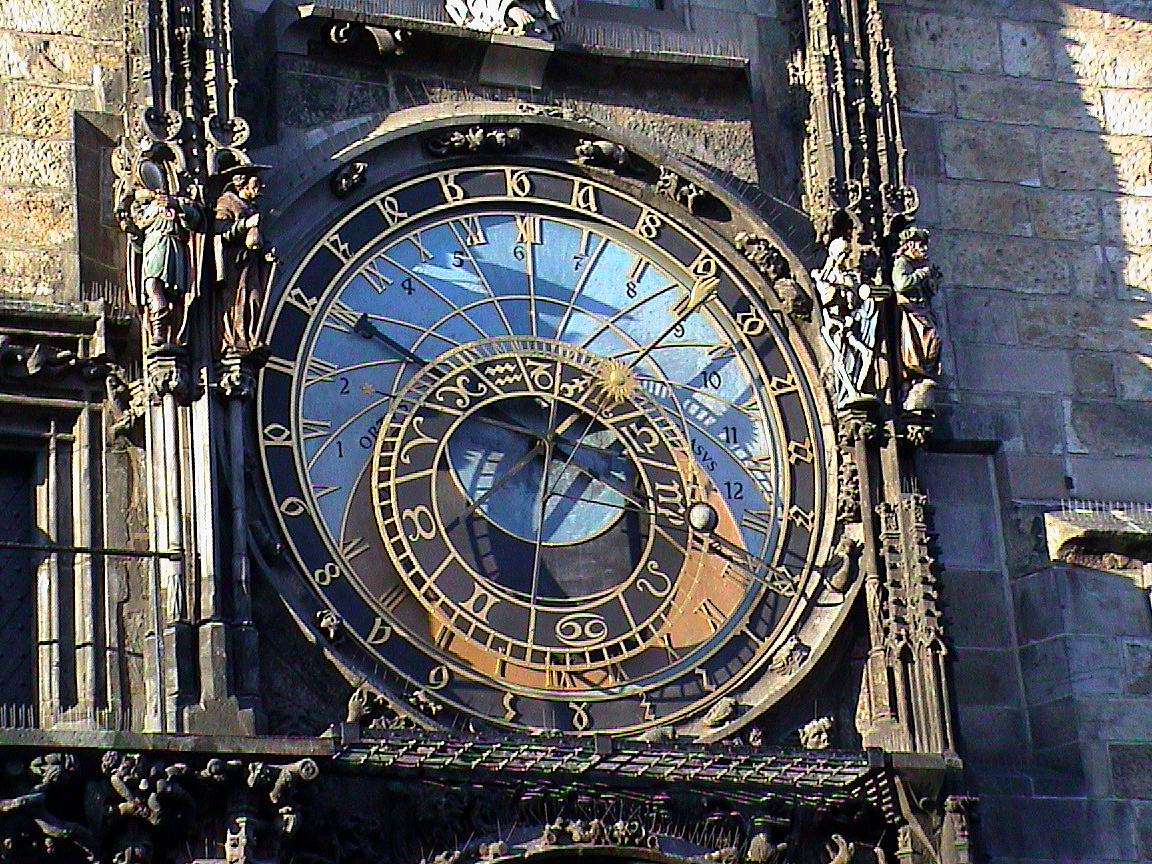
- The Astronomical Clock is mounted onto the tower to the Old Town Hall. The people with “picket signs” are advertising nearby performances.
-
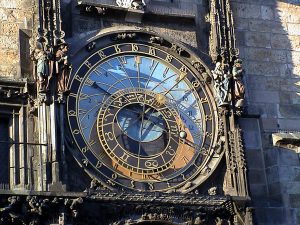
- A closer look at the Astronomical Clock.
-
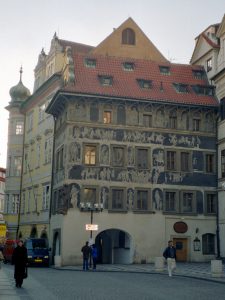
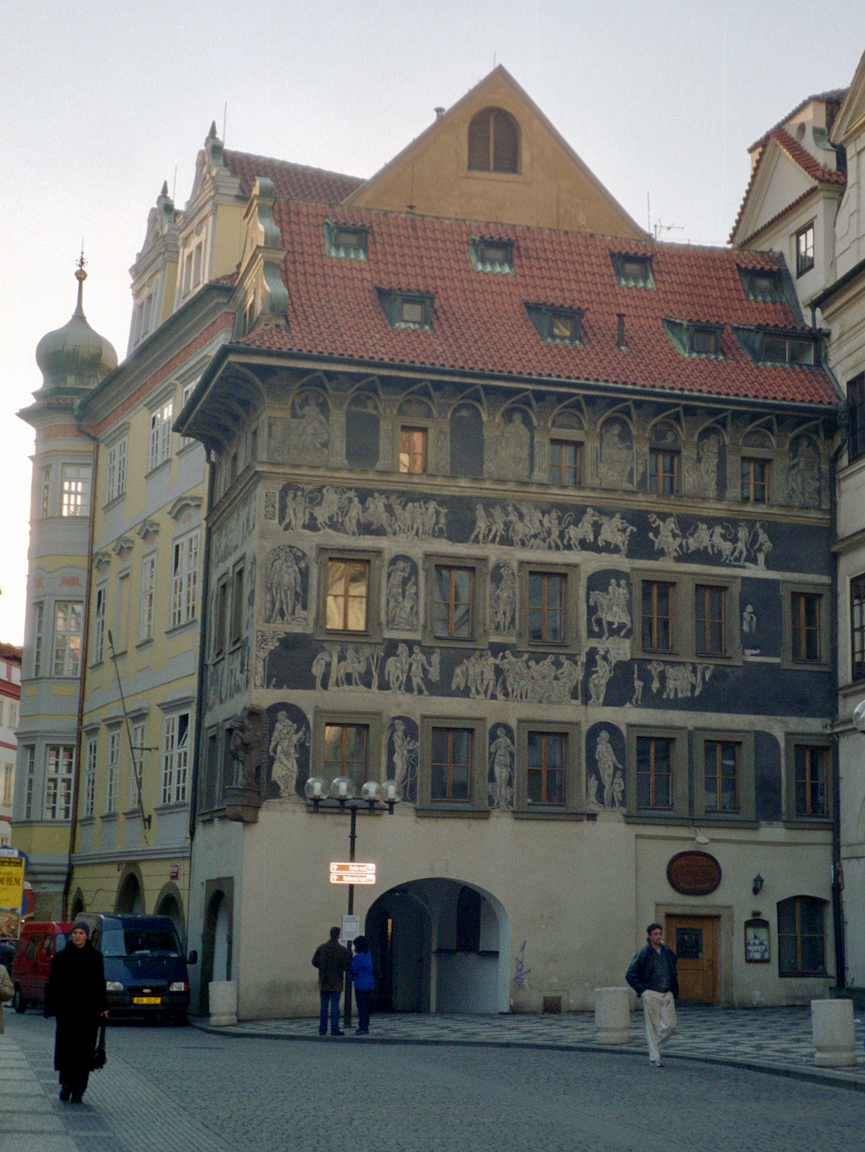
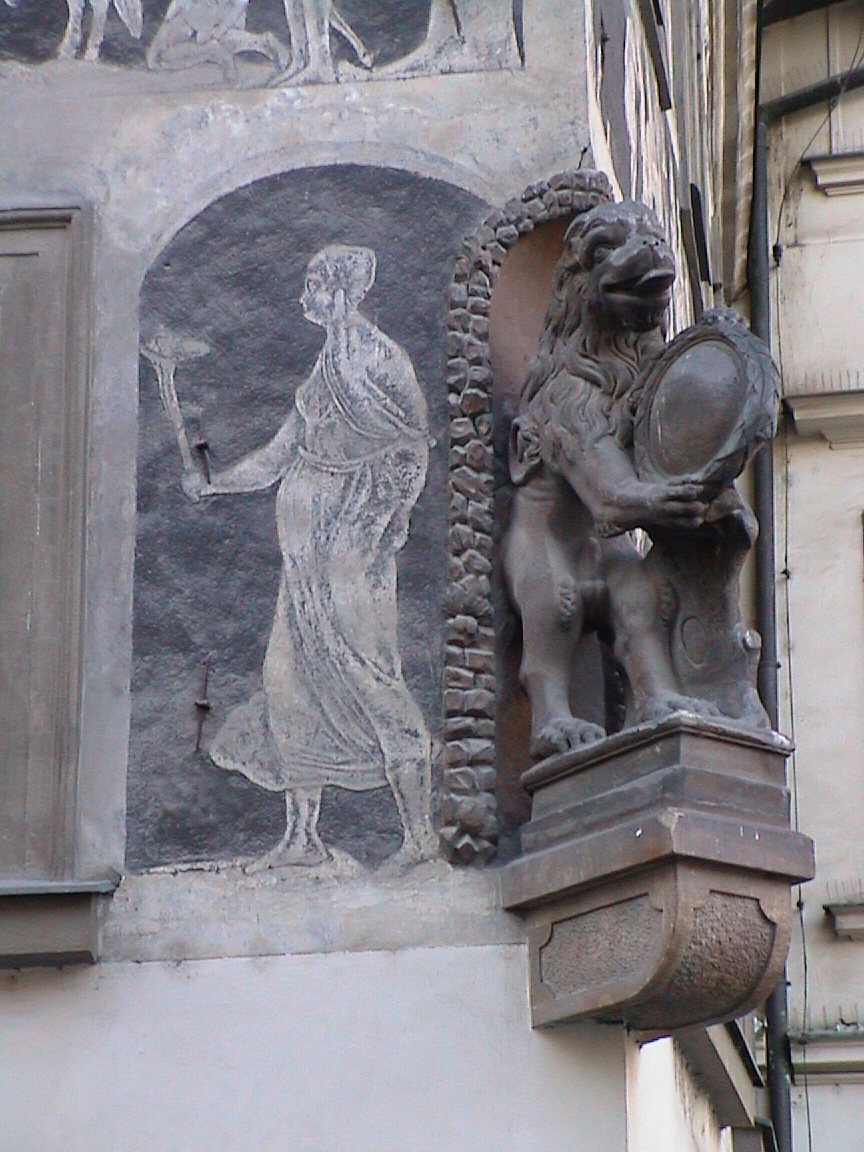
- The House of the Minute is decorated with artwork made by scratching a dark surface to reveal a lighter surface under it.
-
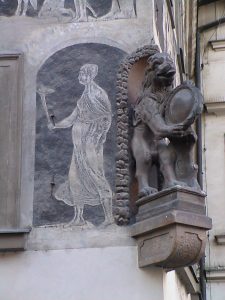
- Some detail of the etched stone artwork on the corner of the House of the Minute.
-
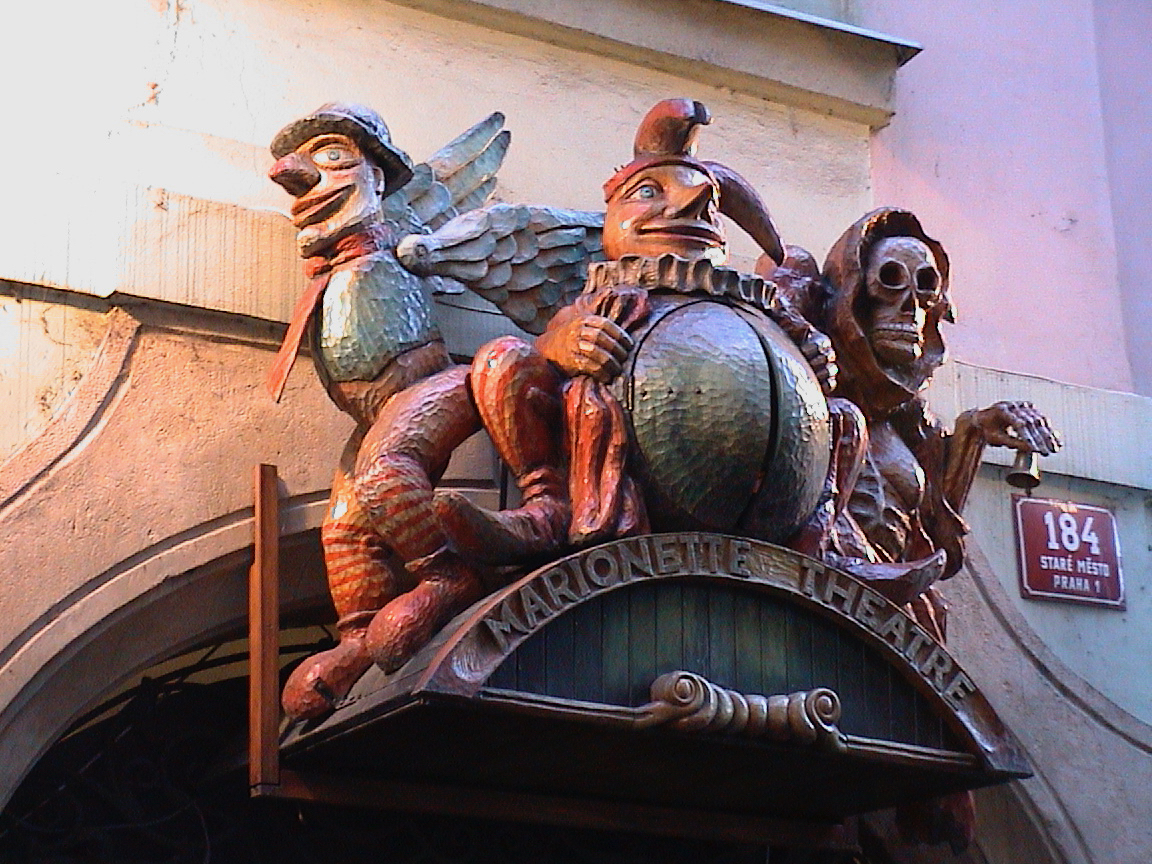
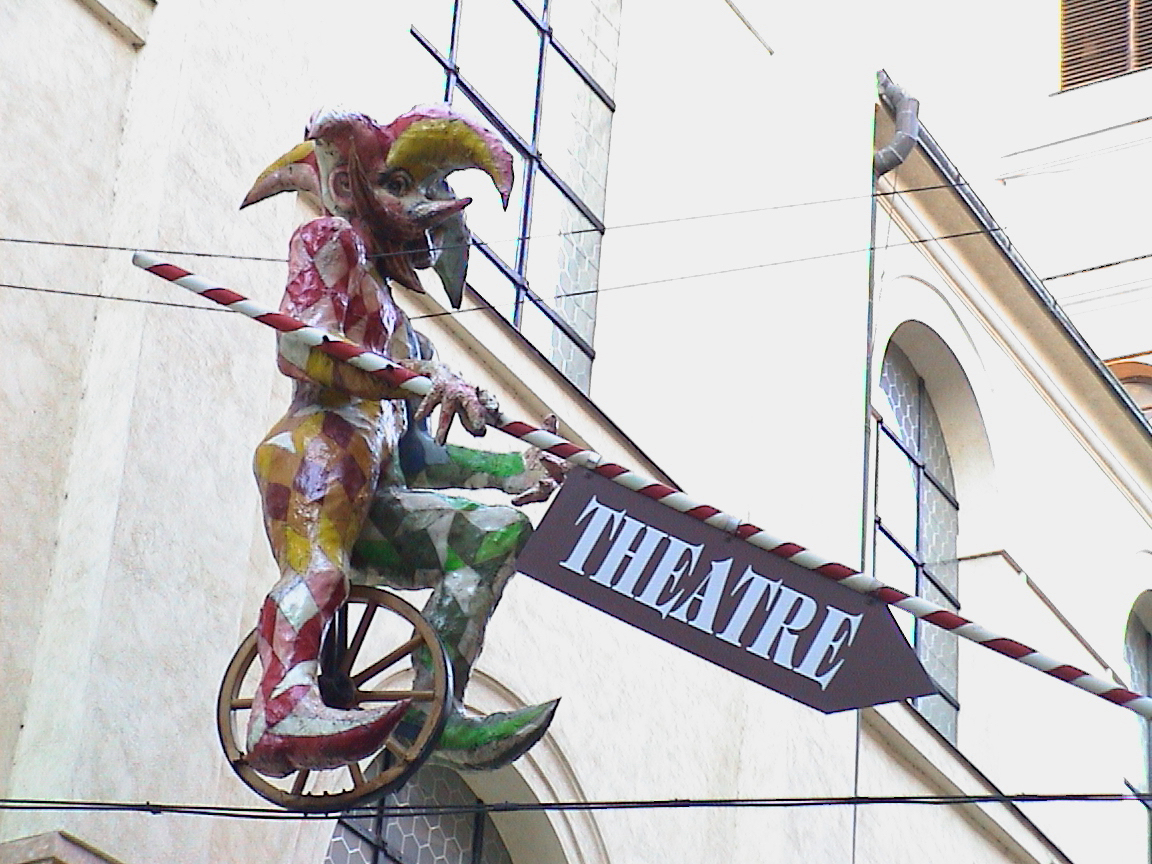
- Central Prague is filled with all types of performance spaces. There are many world-class marionette theatres.
-
- A marionette on a high wire entices passing people to come into the theatre.
-
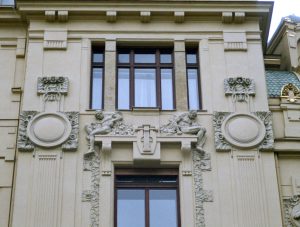
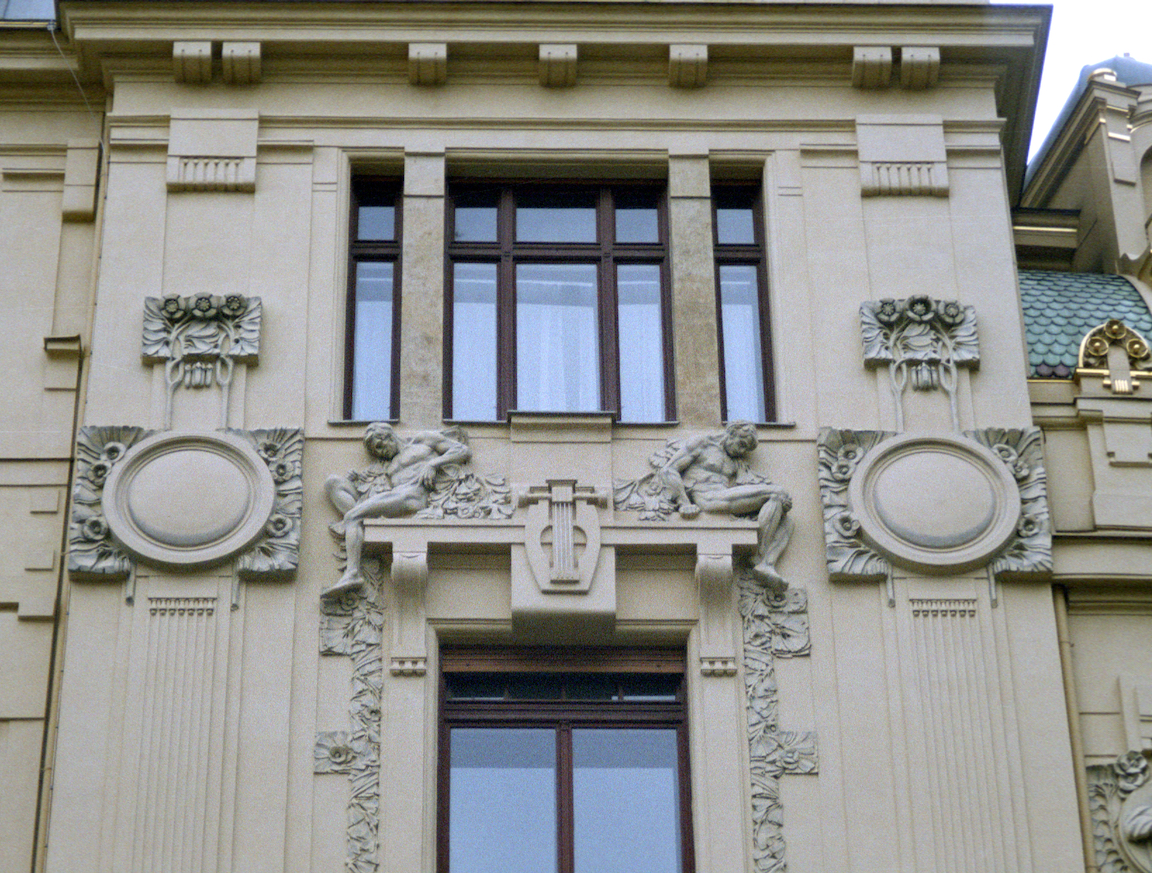
- This building didn’t have enough balconies for these guys to hold, so they’re resting on a ledge.
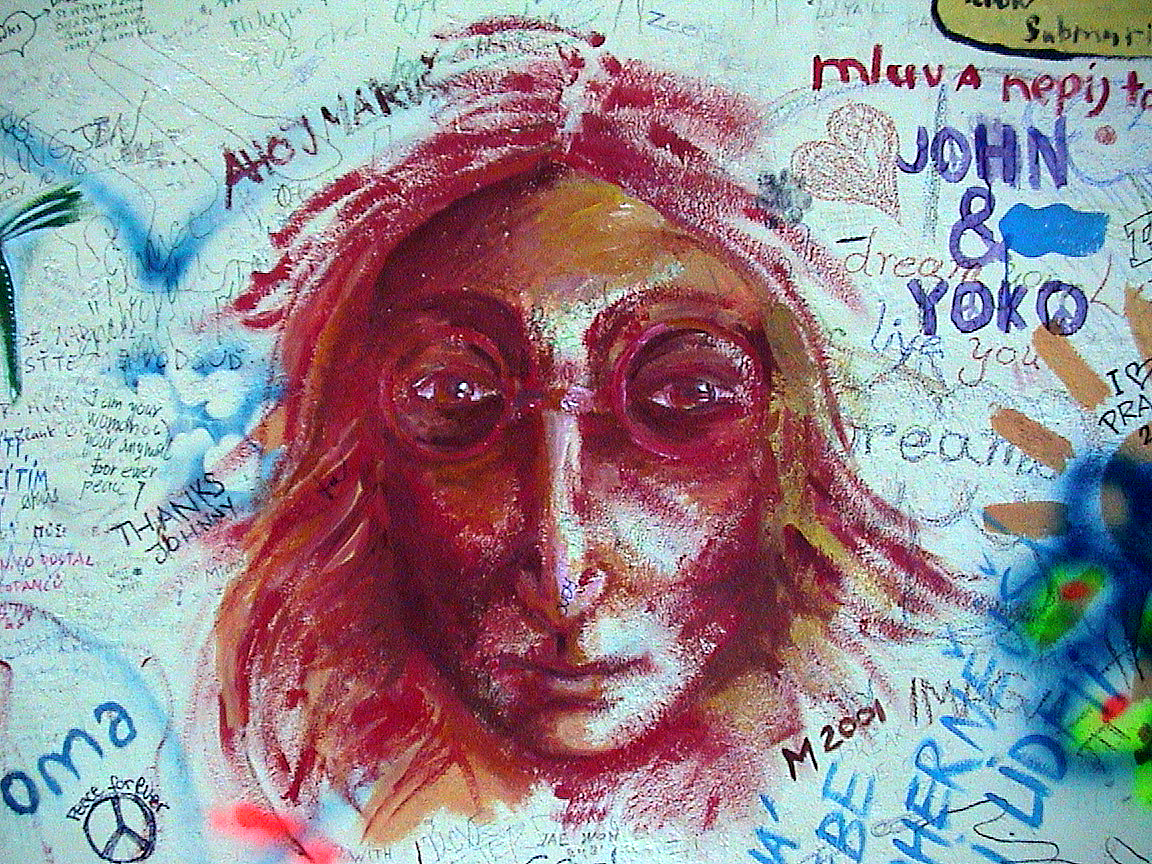
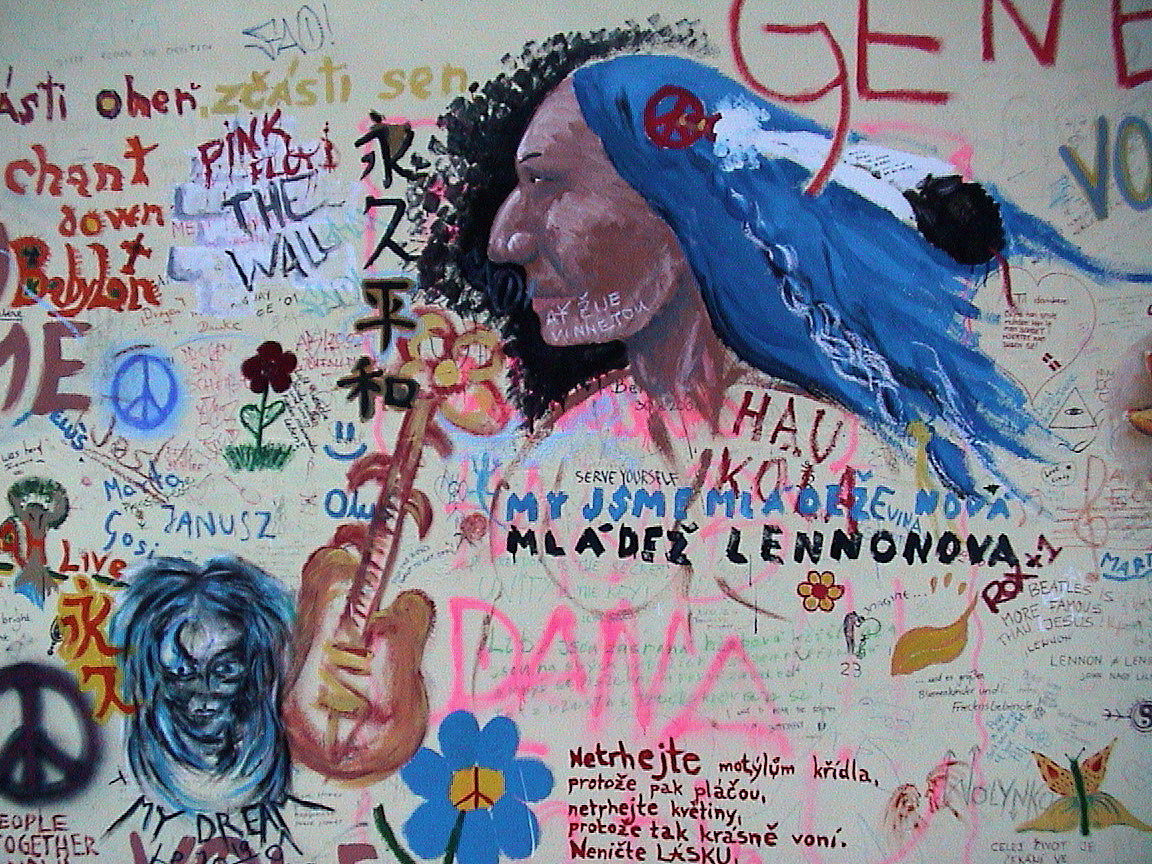
Before darkness set in we had one more thing to see: a mural of John Lennon that we are told is near the other end of Karluv Most. When we found the place there was still enough light for pictures, but the mural didn’t survive.
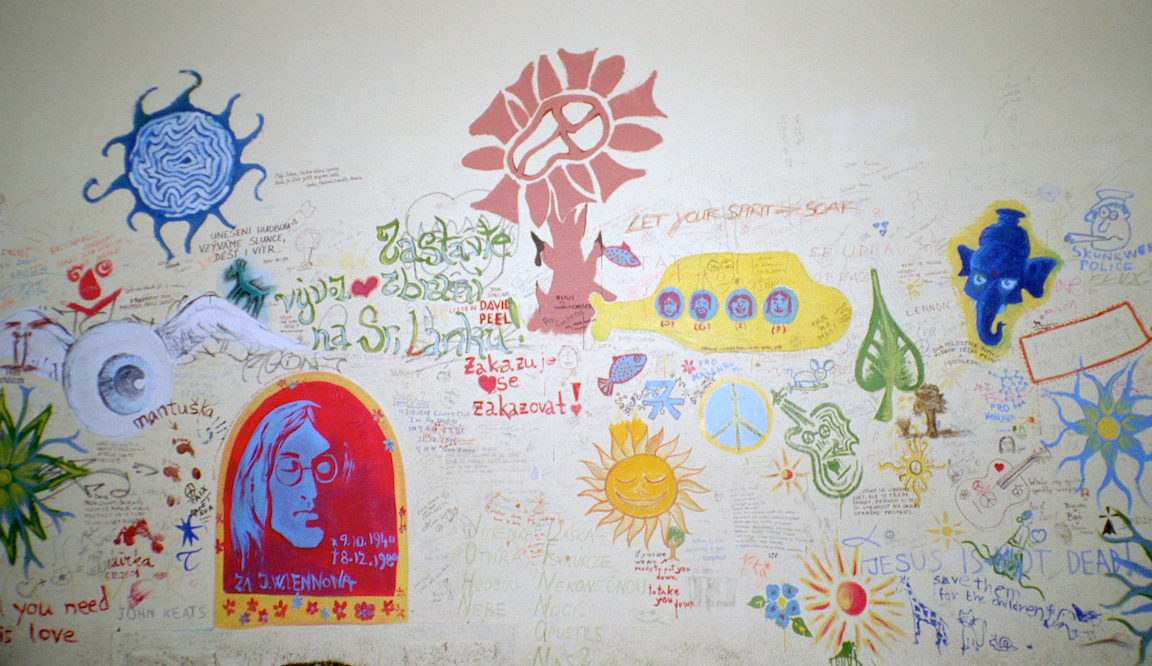
The stucco wall hosting the mural had crumbled beneath it, and it was also getting lost under ages of graffiti. We were told that the wall had been white-washed about a month ago, but now there’s a great deal of new artwork. Some is tasteless graffiti, a lot is eloquent graffiti, and a lot more qualifies as beautiful artwork and a fitting tribute to this fine artist.
-
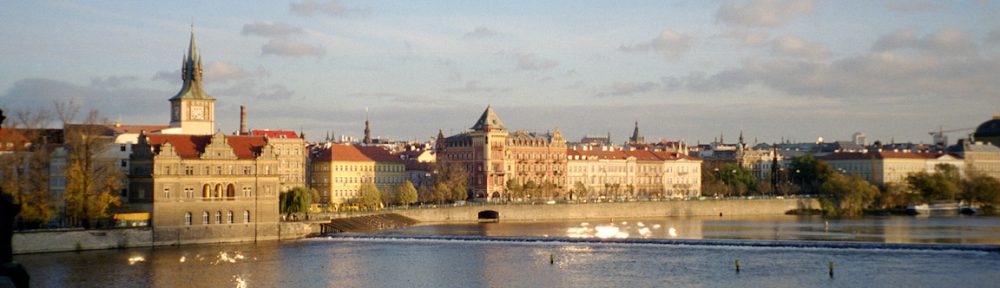
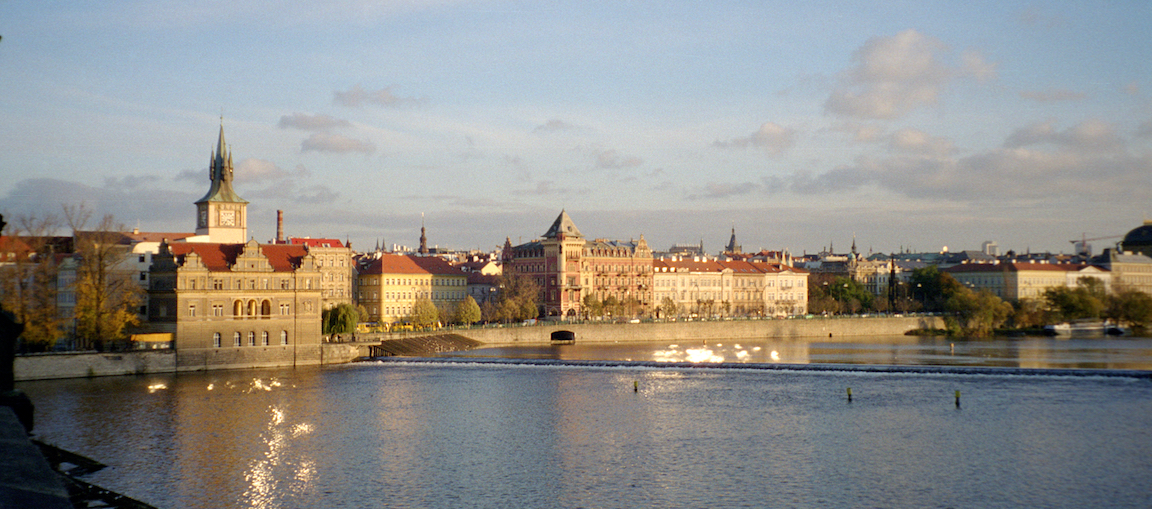
- The setting sun lights up the eastern shore of the Vltava, as seen from the Charles Bridge.
-
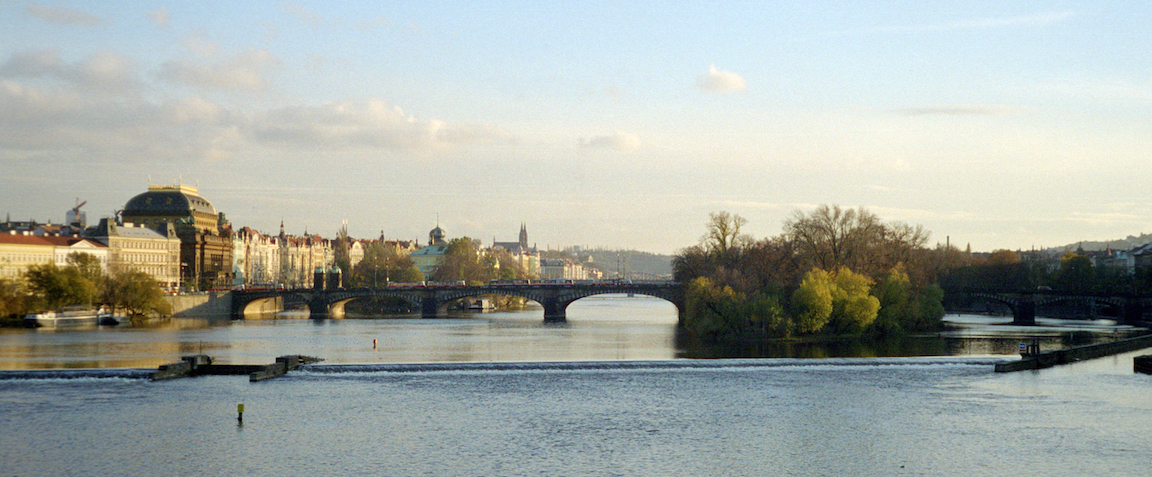
- Redirecting our gaze southward from the previous image.
-
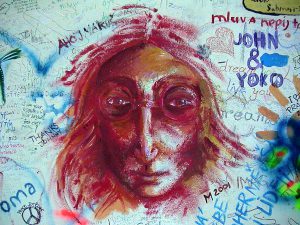
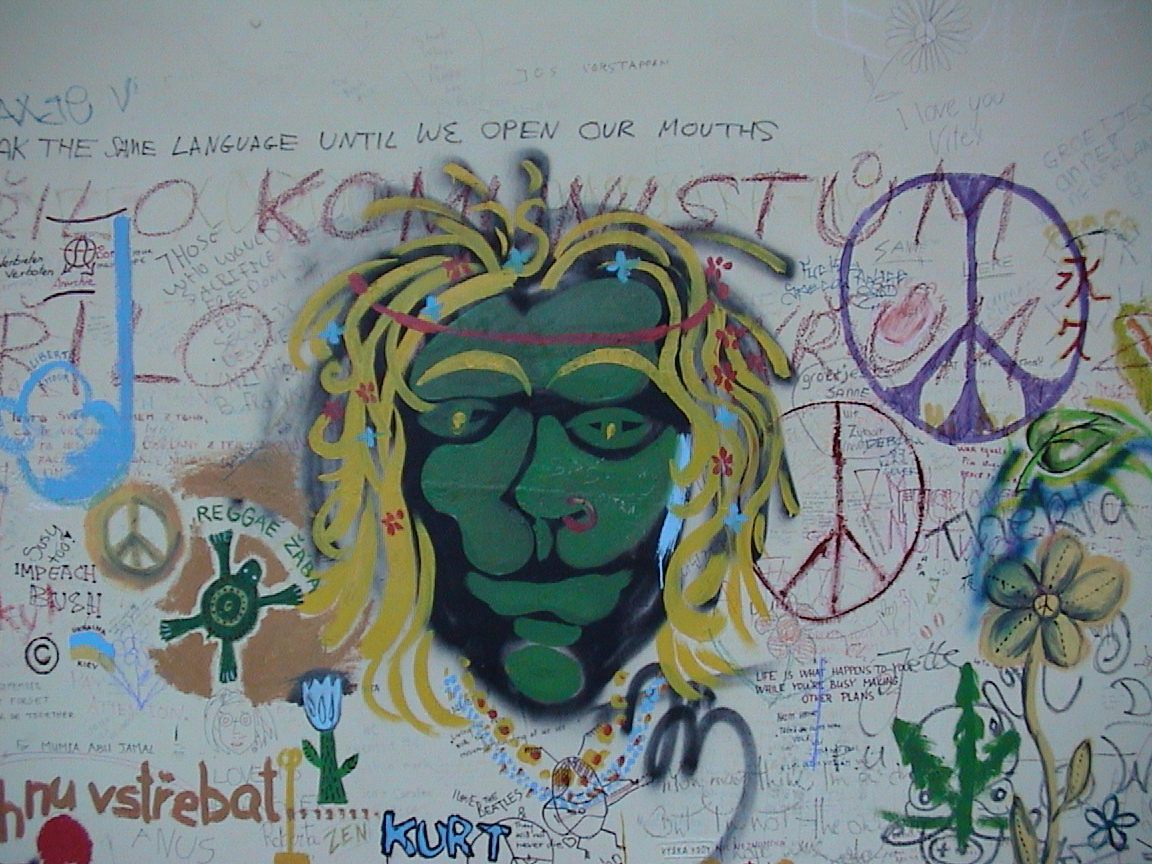
- When a mural of John Lennon was overwhelmed by graffiti and whitewashed, local artists contributed their own replacement artwork.
-
- The Lennon Wall is over 50 feet long and ten feet high, offering room for all types of expression.
-
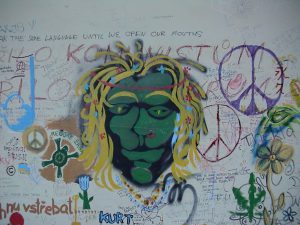
- There are images of all styles, and written expressions in many languages.
-
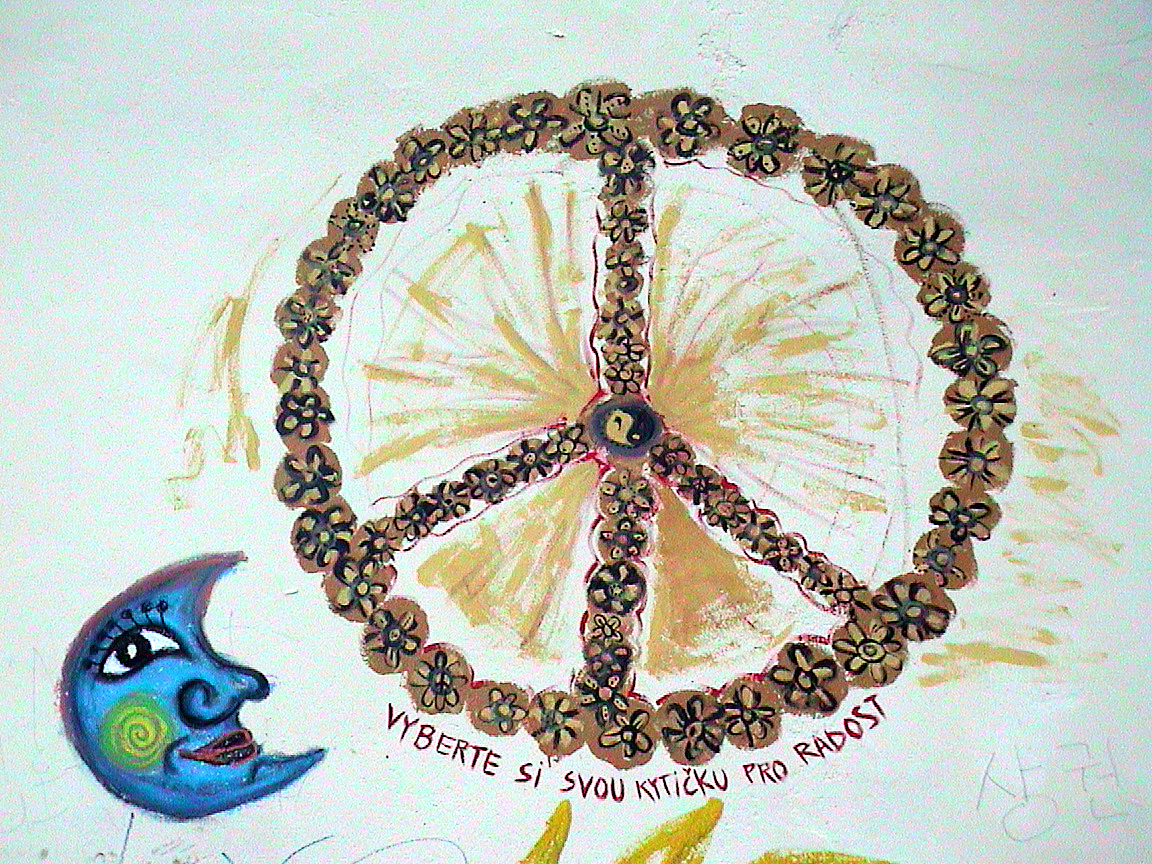
- “Choose your bouquet for joy”
-
- Some of the artists wandered a bit “off topic.”
-
- As we returned to the Charles Bridge, only the clouds were getting sunlight.
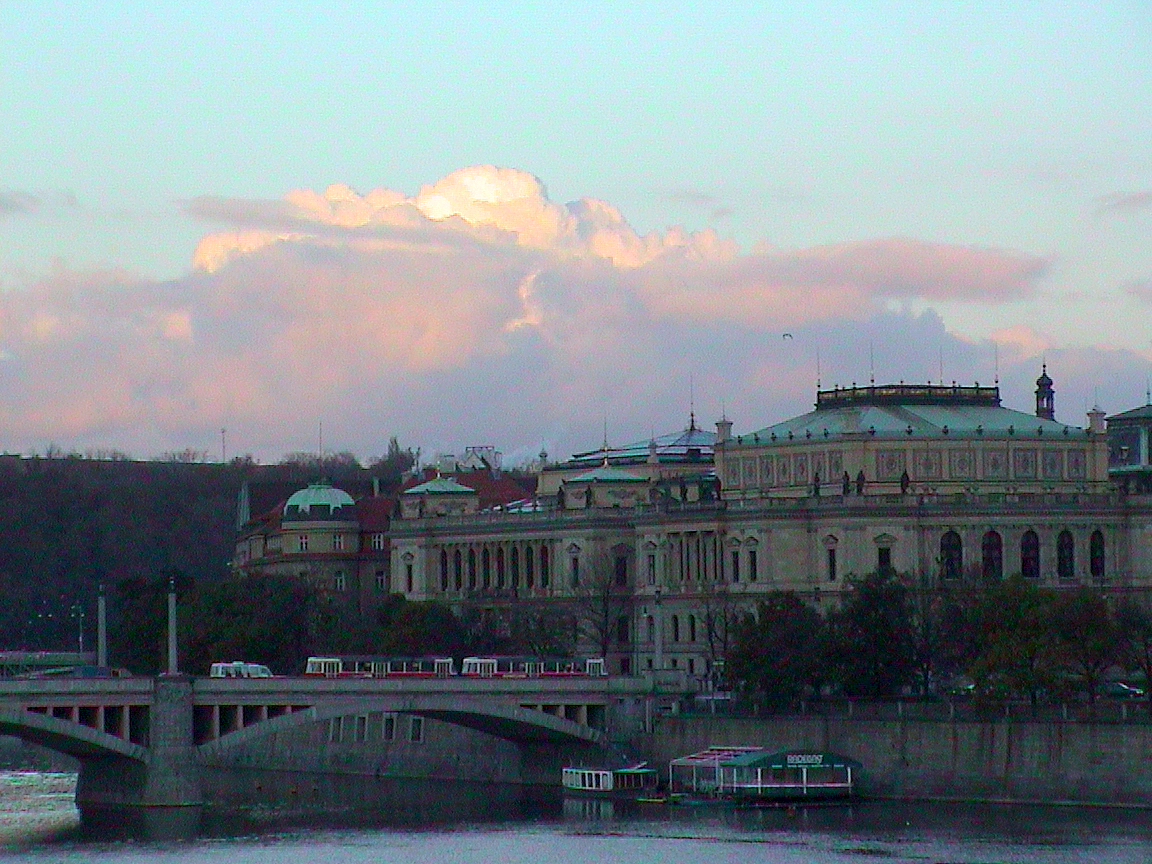
After shooting some of the Lennon wall, we made it back to the bridge in time to catch some great sunset pictures. Tonight’s amber light is something special.